


Supporting Pets by Supporting People
In Cleveland, access to veterinary care is often challenging for many pet owners, especially those living at or near the poverty line. While money is a big factor, the issues go beyond cost, with transportation, availability and awareness all playing key roles.
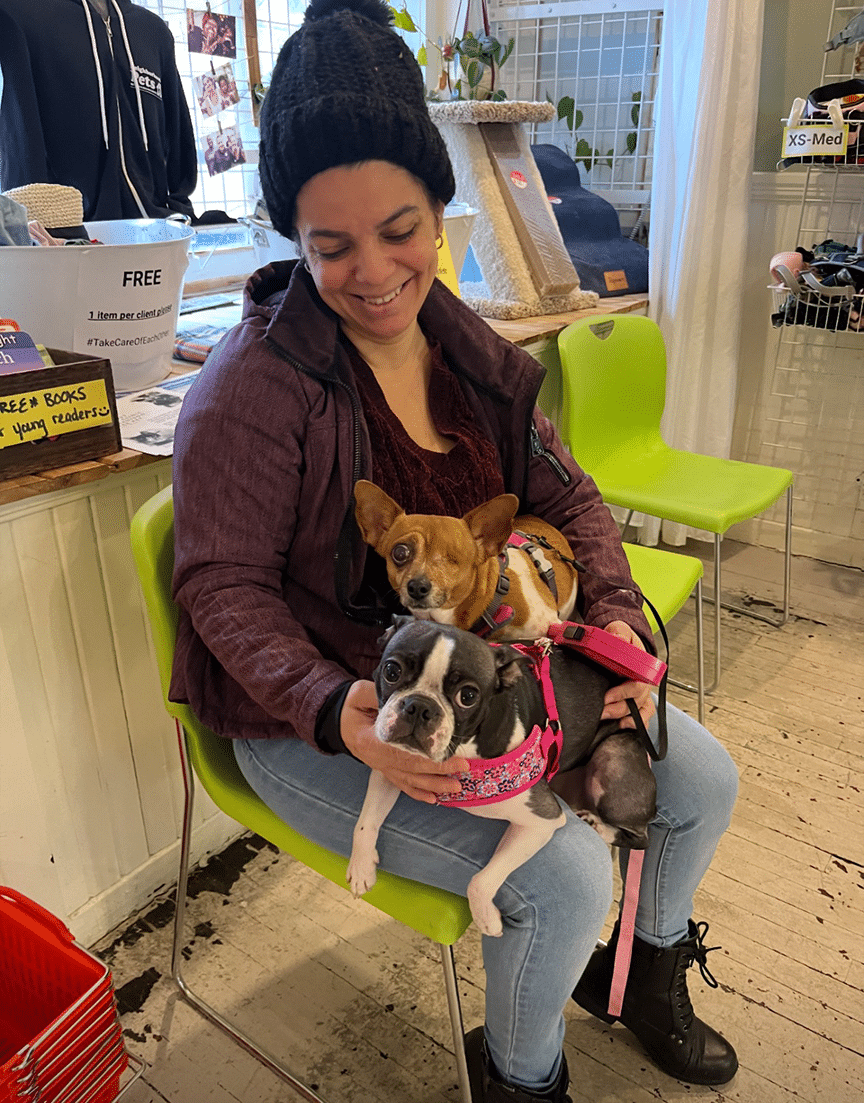
That was the genesis for Neighborhood Pets, a community-based nonprofit 501(c)(3) organization dedicated to supporting people and the animals they love.
“We provide low-cost wellness care, spay/neuter services, pet supplies, a pet food bank, financial assistance for veterinary care and connections to trusted community resources,” said Becca Britton, executive director of Neighborhood Pets.
The organization’s model is rooted in accessibility and trust. Rather than expecting pet owners to navigate complicated systems, Neighborhood Pets meets them where they are — both geographically and emotionally.
She points to the lack of affordable and accessible pet care resources in the city of Cleveland as being a strong catalyst for starting the organization.
“With more than 60% of residents in the Cleveland area living in or near poverty, even if they could afford veterinary care and food, the local veterinary clinics and pet supply stores are often difficult to reach, especially for those without reliable transportation,” she said.
To address these barriers, Neighborhood Pets set up its facility in Slavic Village, a central neighborhood accessible by public transit and within walking distance for many residents.
“Our goal was to remove as many obstacles as possible between pet owners and the care they need,” Britton said.
The organization offers a comprehensive suite of services designed to keep pets healthy and in their homes. For many families, these offerings can mean the difference between keeping a beloved pet and surrendering it.
“Access to veterinary care and other pet care resources are typically the No. 1 reason pets are surrendered to local animal shelters,” Britton said.
Neighborhood Pets’ work also highlights how deeply intertwined pet care is with broader social challenges. The organization primarily serves residents living at or near the poverty level, where even basic pet needs can become difficult to manage.
“Primary communities are anyone living at or near poverty level and residing in the city of Cleveland,” Britton said. “The barriers are cost and transportation.”
To expand its reach, Neighborhood Pets has made partnerships a cornerstone of its approach. Rather than operating alone, the organization collaborates with other community groups to provide a wider range of support.
“Neighborhood Pets takes an intentional approach to building relationships with other organizations with the goal of bringing more resources to our clients and neighborhood,” Britton said.
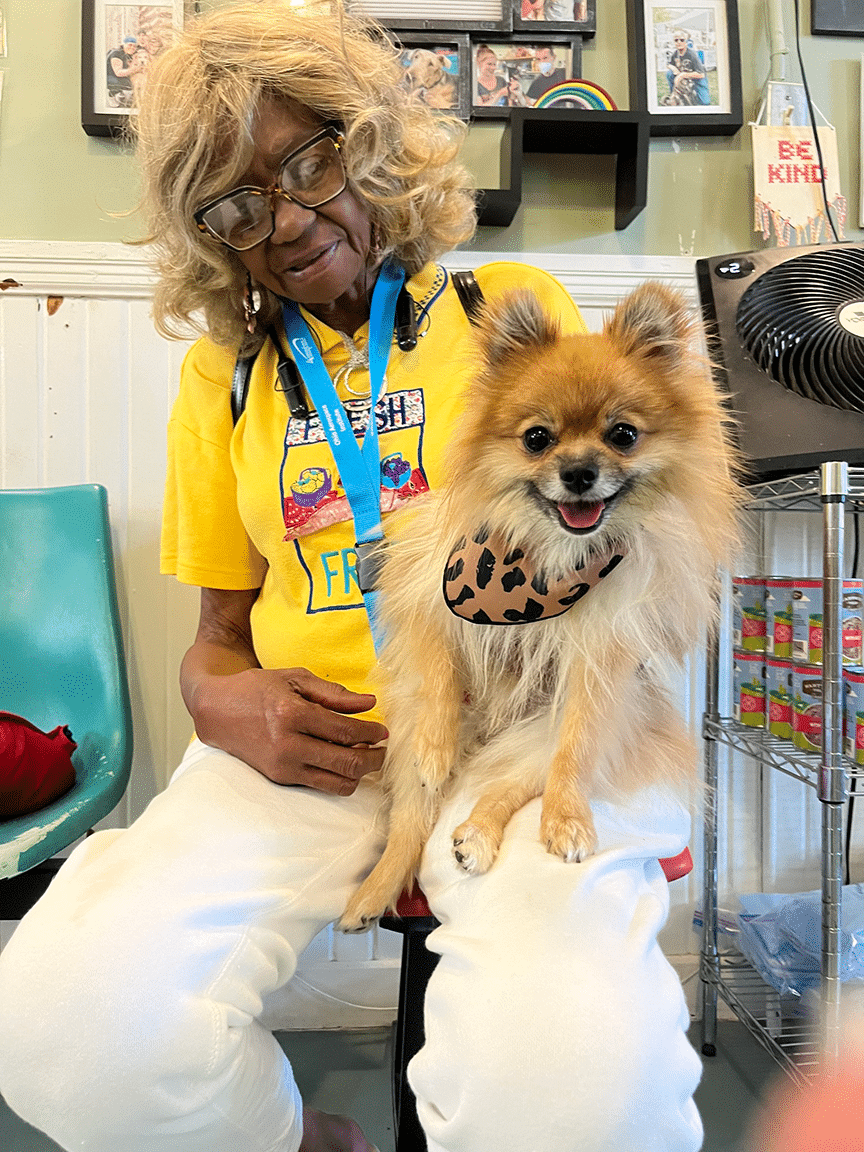
One example is the organization’s Resource Center, where human-service agencies regularly connect with pet owners seeking help.
“Representatives from various social service organizations have been utilizing our location on a regular basis in order to offer their services,” Britton said.
At the same time, Neighborhood Pets works to extend its own services outward, partnering with other organizations to reach more people in need.
Among its current initiatives, two programs stand out as especially impactful: A pet food bank and a human food distribution effort in partnership with a local Hunger Network chapter.
This dual approach reflects a broader understanding of community needs — recognizing that supporting pet owners often means addressing household challenges as a whole.
Lessons from the PALS Program
While the current focus is squarely on Neighborhood Pets’ ongoing work, a past collaboration offers insight into how community-based pet support can extend even further.
The Pet Assistance Linking Support (PALS) program, led by the Benjamin Rose Institute on Aging, explored the intersection of pet ownership, aging and caregiving. The program paired volunteers with older adults who needed help with basic pet care tasks, such as dog walking, feeding and managing supplies.
“The aim of the program was to match volunteers with an older pet owner who needs assistance with basic pet care,” said Jess Bibbo, PhD, a senior research scientist at Benjamin Rose who led the initiative.
The program was built on a simple but powerful premise — supporting pets can also support people. Research conducted by Bibbo found that caregivers often take on pet-related responsibilities, adding to their workload and stress. Providing assistance with those tasks could ease caregiver burden while improving quality of life for both the caregiver and the pet owner.
At its core, the program reflected a shared philosophy among its partners, including Neighborhood Pets.
“We all recognize that the health and well-being of the owner and the pet are linked,” Bibbo said. “Helping people also helps their pets, and helping pets helps their people.”
Even after the program ended, its impact remained evident. Demand for veterinary assistance vouchers distributed through the initiative highlighted ongoing financial challenges for pet owners, particularly older adults.
For Neighborhood Pets, these insights reinforced the importance of accessible, community-centered care. Looking ahead, the organization remains focused on both sustaining its services and strengthening its network of collaborators.
“Our priorities are to continue offering all of our direct services, and continuing to establish strategic partnerships with other social service agencies,” Britton said.
Photos courtesy of Neighborhood Pets