


A Whole-Herd Approach to Parasite Control
External parasites like lice and mange spread fast in the close quarters of a dairy herd. These pests aren’t just troublesome, they can rob producers of milk production and feed intake, warned Caitlin Jeffrey, DVM, Ph.D., Boehringer Ingelheim professional services veterinarian.
“Only treating some of your animals isn’t going to solve the problem,” she said. “Untreated animals allow parasites to jump back onto those you’ve already treated, so the whole herd should be done within a period of ten days to two weeks. External parasites make cows want to itch and scratch themselves — and distract them from doing their job of eating and making milk.”
Understanding the parasite life cycle
Common types of cattle lice include both sucking and biting lice. In both cases, the three main life stages are egg, nymph and adult. Adult female lice glue eggs (or nits) to the hair shaft of the host animal. Once these eggs hatch, they develop into nymphs and then adult lice. The entire life cycle plays out on the host animal. According to the University of Kentucky, the main types of lice include:1
- Short-nosed lice, a sucking lice species that have a gray-black body and blunt head. These lice are found most frequently on mature cattle and prefer to feed along the top of the neck around to the dewlap and brisket. Females attach eggs to hairs at a rate of one to four each day for about two weeks. Then, the eggs hatch after about two weeks, and the nymphs reach the adult stage in about two more weeks. Adult lice live between 10 and 15 days.
- Long-nosed cattle lice are a sucking lice species with a pointed head and a bluish black body. These lice are commonly seen on the dewlap and shoulders of calves. Their numbers tend to drop in the spring. A complete life cycle takes about three weeks.
- Little blue cattle lice, a sucking lice species that are most often found in small clusters around the muzzle, neck and dewlap of mature cattle. Females lay one to two eggs a day, and the eggs hatch in about 10 days. The nymph stage requires about 11 days.
- Biting lice have a triangular head and a yellow-white body with dark bands. Eggs hatch in about 10 days and development takes about a month. Adults may live for up to 10 weeks. These lice are commonly found in patches at the base of the tail, shoulders and topline of the back.
“Powders containing organophosphates should get chewing lice, but sucking lice really need to take a blood meal from the animal to take in the active ingredient,” Dr. Jeffrey said. “Applying a pour-on macrocyclic lactone that gets taken up systemically will effectively treat sucking lice.”
In addition to lice, mange mites also are a concern for dairy producers. Two species of mange mites are the most common: chorioptic and sarcoptic mange mites.
In both cases, mite infestations cause itching, and producers will notice cows rubbing against objects. This can cause damage to pens and equipment from the pressure and friction. Most importantly, the animals are spending their time reliving itchiness rather than eating, drinking, and resting, Dr. Jeffrey said.
Focus on administration accuracy
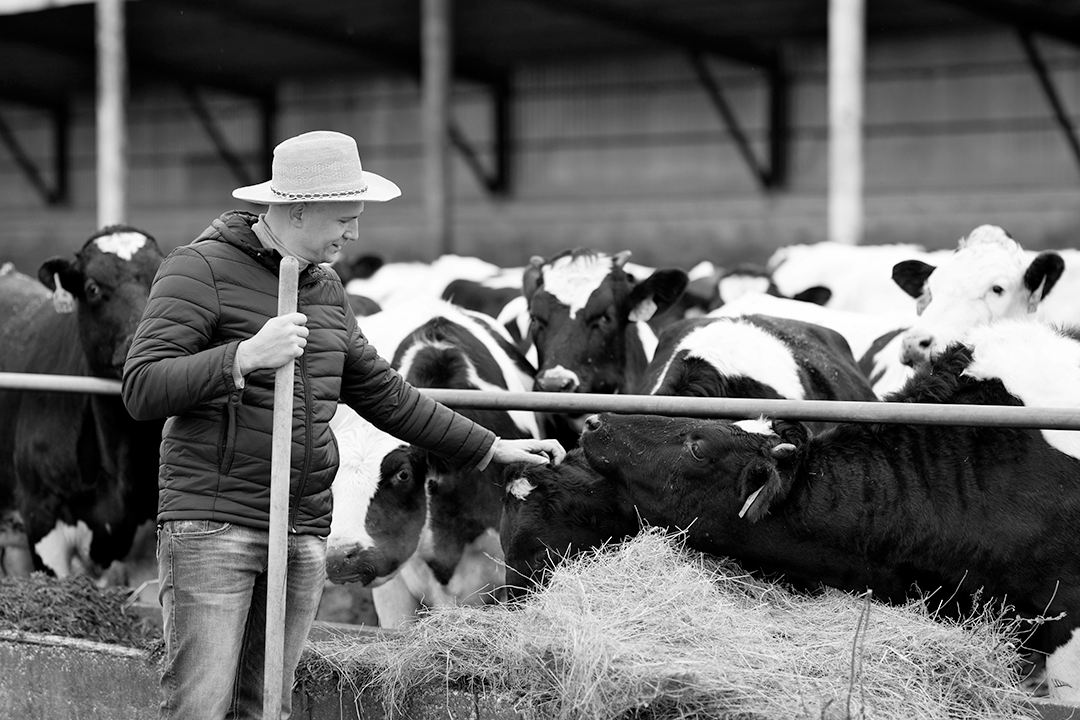
Pour-on dewormers can help address all major lice and mange species.
“As most adult dairy cows are limited to confinement housing and not exposed to pasture, we’re not as concerned about internal parasitism. Treating lice and mange is the priority,” Dr. Jeffrey explained.
One whole-herd treatment in the fall is usually the best timing to control external parasites in the herd. Lice populations tend to increase as the winter goes on, making early treatment with an effective product critical.
“As the temperatures drop and hair coats get longer, external parasites can move from the belly to the topline,” she said. “We recommend folks do a good, thorough job of treating everyone in the herd sometime between Thanksgiving and Christmas to get the timing right for protection through the winter.”
The biggest error that can occur is missing animals during treatment. That allows the parasite population to grow and re-infest the herd within a few weeks.
“Make sure you’re administering an appropriate dose for whatever animal you’re treating,” she advised. “In an ideal world, you’d be weighing and dosing each animal accordingly. However, if you’re treating a group of animals and that’s not feasible, dose for the heaviest animal in the group to ensure effectiveness. The spectrum of safety for pour-on products is very forgiving.”
Getting an even line of product applied from the top of the head or shoulders (whichever is safely accessible) to the tailhead is another important aspect of application. If using a chute, make sure you accommodate the height of the administrator.
“Sometimes when you have a family running cattle through the chute, the smallest person can get stuck administering the pour-on,” she noted. “It’s important they can safely reach high enough to get that even administration all the way down the topline and are dosing animals correctly for their weight.”
Introduce new animals with caution
Replacement livestock can re-introduce external parasites to the herd, which can undo all the hard work of a solid fall parasite control program. One of the best ways to maintain a herd’s overall health status is to know the health history of individual animals entering the herd. Records for parasite treatments should be part of the transfer.
In addition, Dr. Jeffrey recommended producers isolate new animals for a period of time before introducing them to the herd. Applying a pour-on application for any new replacement animals is never a bad idea.
More than an itch
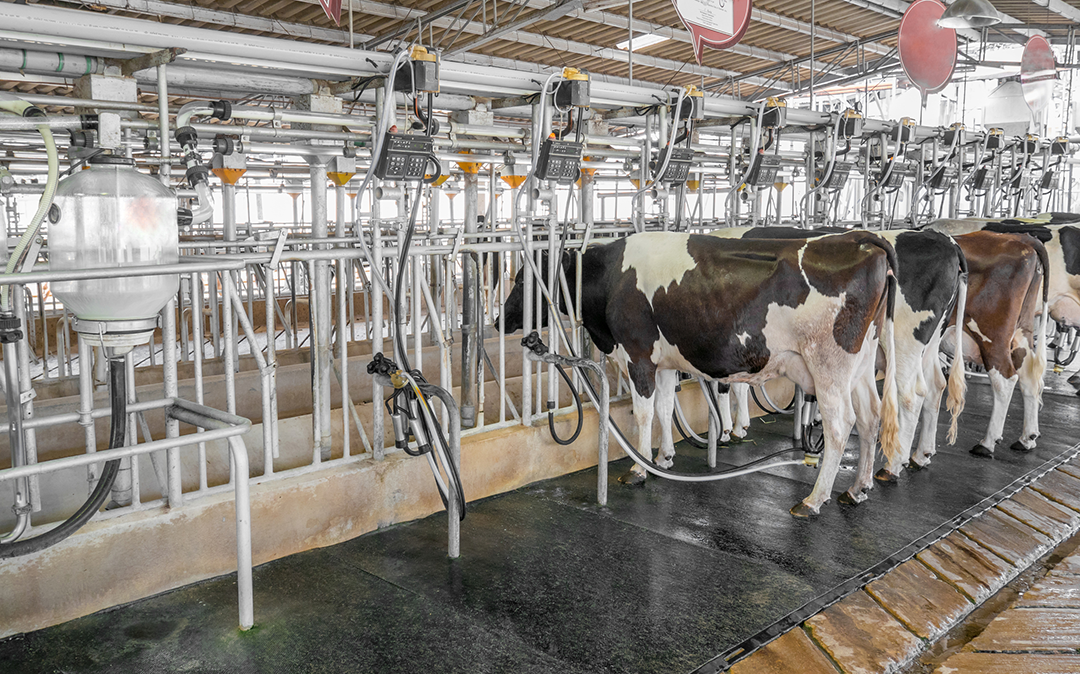
The expense and time associated with parasite control can seem insignificant, until there’s an outbreak.
“I have heard of farms that stopped regularly pouring animals because they thought it was too expensive,” Dr. Jeffrey said, “but milk production can really suffer if you have an external parasite problem. Irritation due to lice and mange can result in losses of up to 4.4 pounds of milk per head per day, as animals spend less time eating and laying down when they are constantly trying to scratch themselves. If an animal has a really high burden of sucking lice, you can even see anemia and immune suppression.”
- Lice cannot survive off the animal for more than a few days.
- Sucking lice are blood feeders.
- Biting lice feed by scraping material from the skin and base of the hairs.
- Lice are most abundant on animals during the period of greatest winter stress.
- Crowding or bunching of the animals at this time of year provides many chances for lice to move from animal to animal.
- Pour-on, systemic parasiticides provide long term louse control following a single application.
References:
- Townsend L. Lice on beef and dairy cattle. University of Kentucky College of Agriculture. Retrieved May 17, 2026. https://entomology.mgcafe.uky.edu/ef512
Photo Credit:
istockphoto.com/jenoche
istockphoto.com/CHOMPOONUTBUANGERN