


Understanding Equine Colic
How veterinarians diagnose and treat colic, and what owners can do to support digestive health.
Equine colic is one of the most common medical emergencies affecting horses. Colic is a term used to describe abdominal pain that can result from a variety of gastrointestinal (GI) conditions, ranging from mild gas accumulation to life-threatening intestinal obstruction or torsion (i.e., twisting). Because horses have a unique and complex GI system, they are especially susceptible to conditions that disrupt normal digestion, making colic a leading cause of emergency veterinary care.
Although not every colic case is severe, it is impossible to determine the seriousness of an episode solely based on outward signs. While some cases of colic resolve with medical treatment, others require emergency surgery, and recognizing the early signs, understanding potential risk factors and seeking prompt veterinary care are essential to achieving the best possible outcome. This article explores the common causes of equine colic, how veterinarians diagnose and treat the condition and practical management strategies to reduce risk and support long-term digestive health.
What is equine colic?
Equine colic is not a specific disease but a general term used to describe abdominal pain. In most cases, the pain originates from the GI tract, although disorders affecting other abdominal organs can occasionally produce similar signs. Colic encompasses a wide range of conditions, from mild gas accumulation that can often resolve with medical management to life-threatening intestinal obstruction requiring emergency surgery.
Horses have a relatively small stomach, a long intestinal tract and an inability to vomit, making them particularly susceptible to colic. Factors such as changes in diet, dehydration, reduced water intake, limited turnout, stress, dental disease, parasites and underlying illness can contribute to colic, although in many cases no single cause can be identified.
Veterinarians often classify colic according to the underlying cause. Common forms include gas colic, spasmodic colic caused by intestinal spasms, impaction colic resulting from a blockage of feed material, and displacement or strangulating lesions, in which portions of the intestine are displaced or lose their blood supply. Horses can also exhibit signs of colic if they have stomach ulcers. While many horses respond well to medical treatment, some forms of colic progress rapidly and require immediate surgical intervention.
Because the severity of abdominal pain does not always reflect the seriousness of the underlying condition, every episode of colic should be treated as a medical emergency. Prompt veterinary evaluation is essential to determine the cause, relieve pain and identify horses who require advanced treatment.
What are the signs of equine colic?
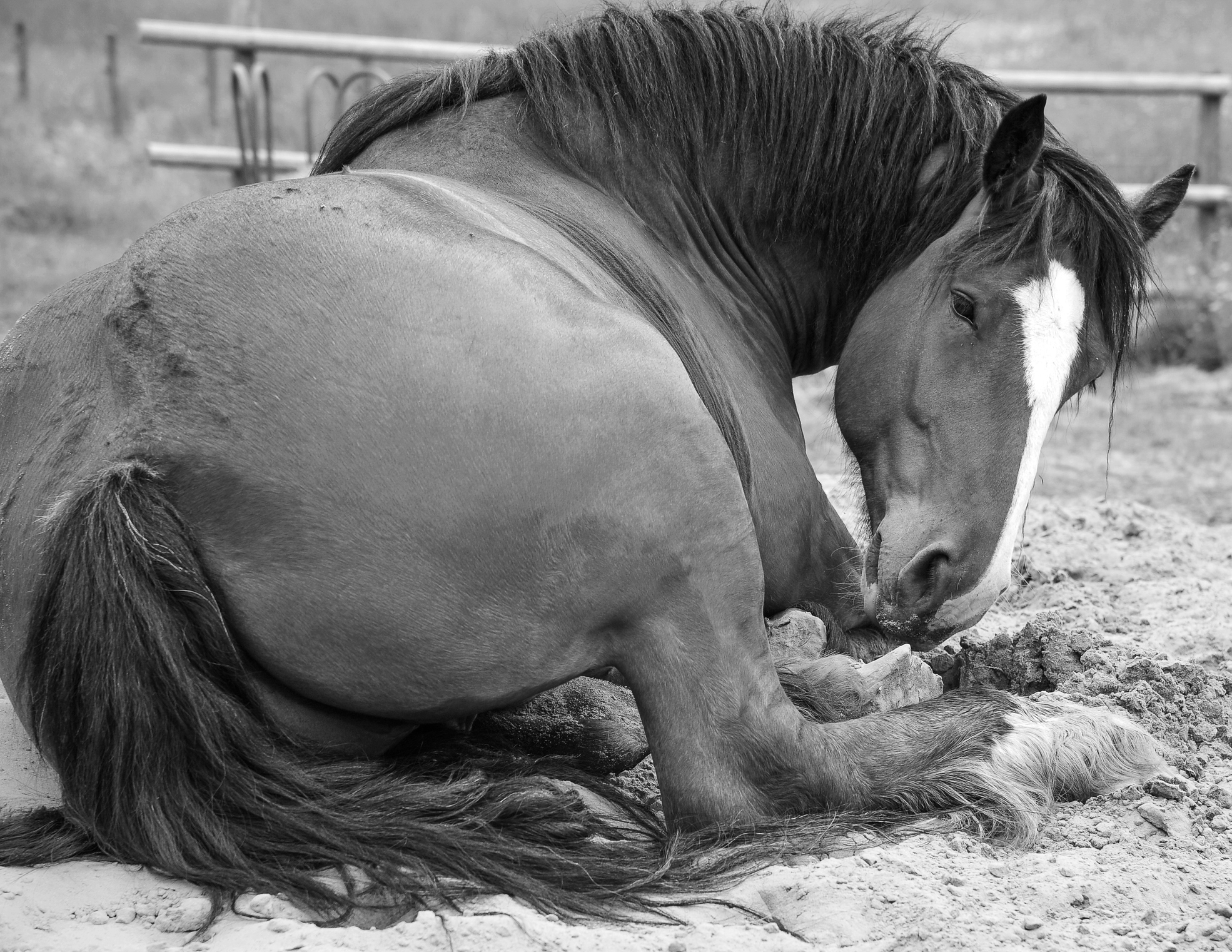
Recognizing colic signs early can make a significant difference in a horse’s outcome. Since colic can range from mild digestive discomfort to a life-threatening emergency, any unusual changes in behavior, appetite or manure production should be taken seriously. While some horses exhibit obvious signs of pain, others may display only subtle changes that are easy to overlook.
Common signs include:
- Restlessness: A horse may appear anxious, repeatedly lying down and getting up, pacing or seeming unable to settle.
- Pawing or looking at their flank: Horses experiencing abdominal discomfort may paw at the ground, turn their head toward their abdomen, or repeatedly bite or kick at their sides.
- Reduced appetite: A horse that stops eating or shows less interest in food may have digestive discomfort.
- Changes in manure production: Decreased manure output, smaller-than-normal manure piles or changes in manure consistency can be important warning signs.
- Rolling: Frequent rolling or attempts to roll may indicate abdominal pain.
- Stretching or unusual postures: Affected horses may stretch out as if attempting to urinate, repeatedly assume a “sawhorse” stance or appear uncomfortable when moving.
The horse’s behavior does not always correlate with the severity of the underlying problem. Some horses with serious conditions can exhibit mild signs, while others with less severe causes can appear extremely painful. Any horses suspected of colic should be monitored closely, and a veterinarian should be contacted promptly.
How is equine colic diagnosed?
When a horse is colicking, a veterinarian’s primary goal is to determine the severity of the condition, identify the most likely cause and develop an appropriate treatment plan. The diagnostic process begins with a detailed history, including the horse’s recent behavior, appetite, water intake, manure production, diet changes, exercise routine and any previous colic episodes. A physical examination is also important to evaluate the horse’s heart rate, respiratory rate, gum color and moisture, intestinal sounds and level of pain.
One of the most valuable diagnostic tools when evaluating colic is a rectal examination, which allows the veterinarian to assess the position and condition of portions of the intestine. A nasogastric (NG) tube may also be passed through the horse’s nose into the stomach to determine whether fluid is accumulating and, in some cases, to relieve pressure. Additional diagnostics, such as abdominal ultrasound, blood work, abdominal fluid analysis or gastroscopy, may be recommended to gain further information about intestinal function, hydration, inflammation and disease severity.
In some cases, the initial exam provides enough information to begin medical treatment and monitoring. In others, findings may suggest a more serious condition, such as intestinal displacement or loss of blood supply, which may require referral to an equine surgical facility.
How is equine colic treated?
Treatment for equine colic depends on the underlying cause, the severity of the condition and the horse’s response to initial therapy. Because colic can range from a mild digestive disturbance to a life-threatening emergency, veterinarians develop treatment plans based on the findings of the physical exam and ongoing monitoring of the horse’s condition.
Treatments may include:
- Pain management: Relieving abdominal pain is often one of the first priorities. Veterinarians typically administer medications to improve comfort while evaluating the horse’s response and monitoring clinical signs for changes.
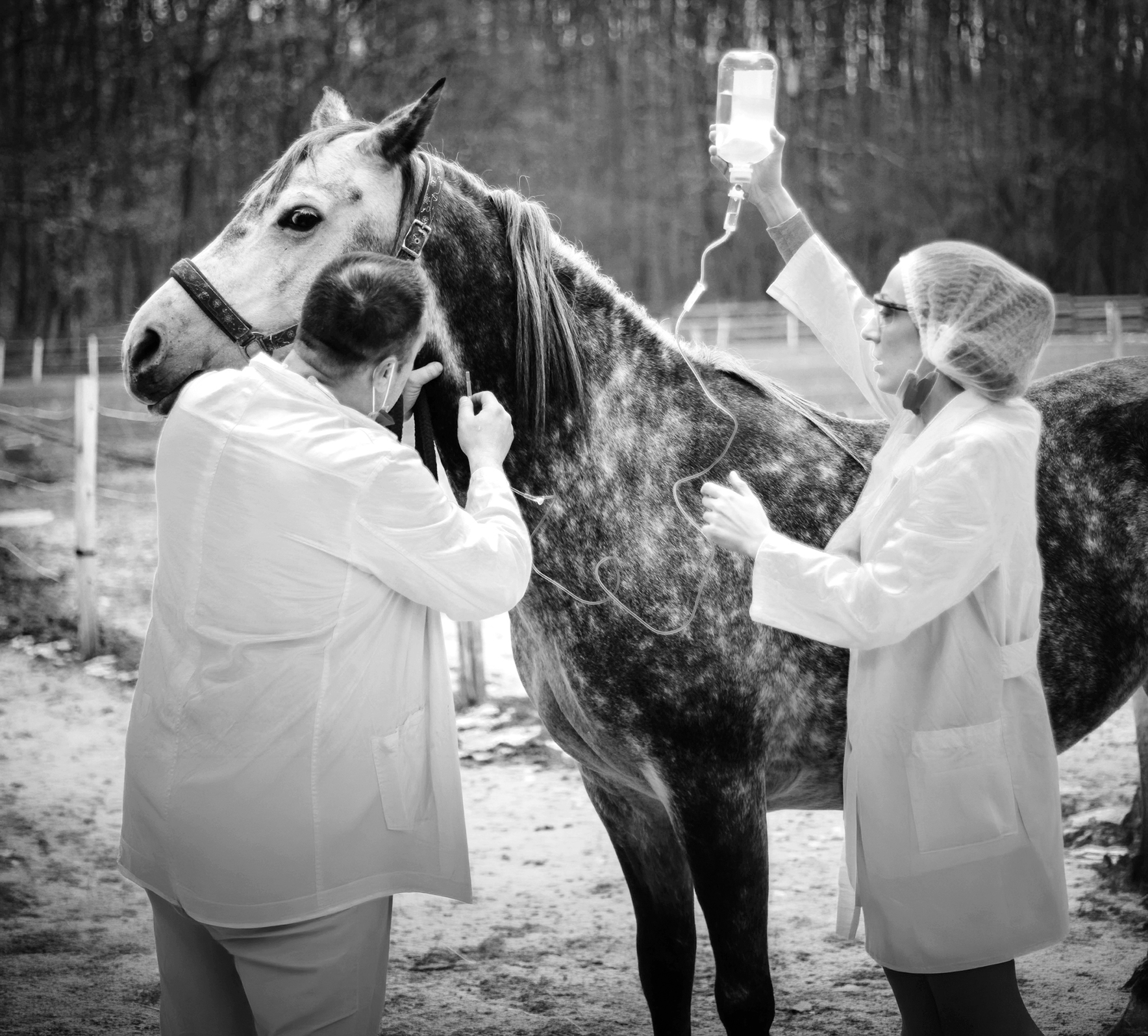
- Fluid therapy: Dehydration can contribute to digestive problems and reduced intestinal movement. Fluids may be administered intravenously (IV) or through an NG tube to support hydration and help restore normal GI function.
- Impaction management: When colic is caused by the accumulation of food material, treatments to soften and help move the impaction through the digestive tract are typically initiated.
- Monitoring: During treatment, horses are closely observed for changes in pain level, heart rate, intestinal sounds, manure production and overall comfort. This information helps determine if the horse is improving or requires additional intervention.
- Surgery: Some forms of colic require emergency surgery, particularly when there is an intestinal displacement or obstruction, or loss of blood supply to an intestinal section. Rapid diagnosis and referral to an equine surgical facility are critical in these cases.
- Gastric ulcer treatment: Colic signs can be associated with gastric ulcers. Treatment typically involves medications to reduce stomach acid and allow the ulcerated tissue to heal, along with management changes such as increasing forage availability, reducing prolonged periods without feed and minimizing stressors that may contribute to ulcer development.
- Post-colic management: Following recovery, veterinarians may recommend changes to diet, exercise or hydration, or other management practices to help support digestive health and reduce the risk of future episodes.
How can equine colic be prevented?
Although not all equine colic cases can be prevented, certain management practices can help reduce risk and support a healthy digestive system. These strategies include:
- Maintaining a consistent feeding routine: Avoid sudden changes in diet, including changes in hay, pasture access or grain. When a diet change is necessary, make adjustments gradually over several days to allow the digestive system time to adapt.
- Prioritizing forage-based nutrition: Providing adequate, high-quality forage supports normal digestive function and encourages consistent movement through the GI tract. Veterinarians can help horse owners develop a feeding plan that meets a particular horse’s individual nutritional needs.
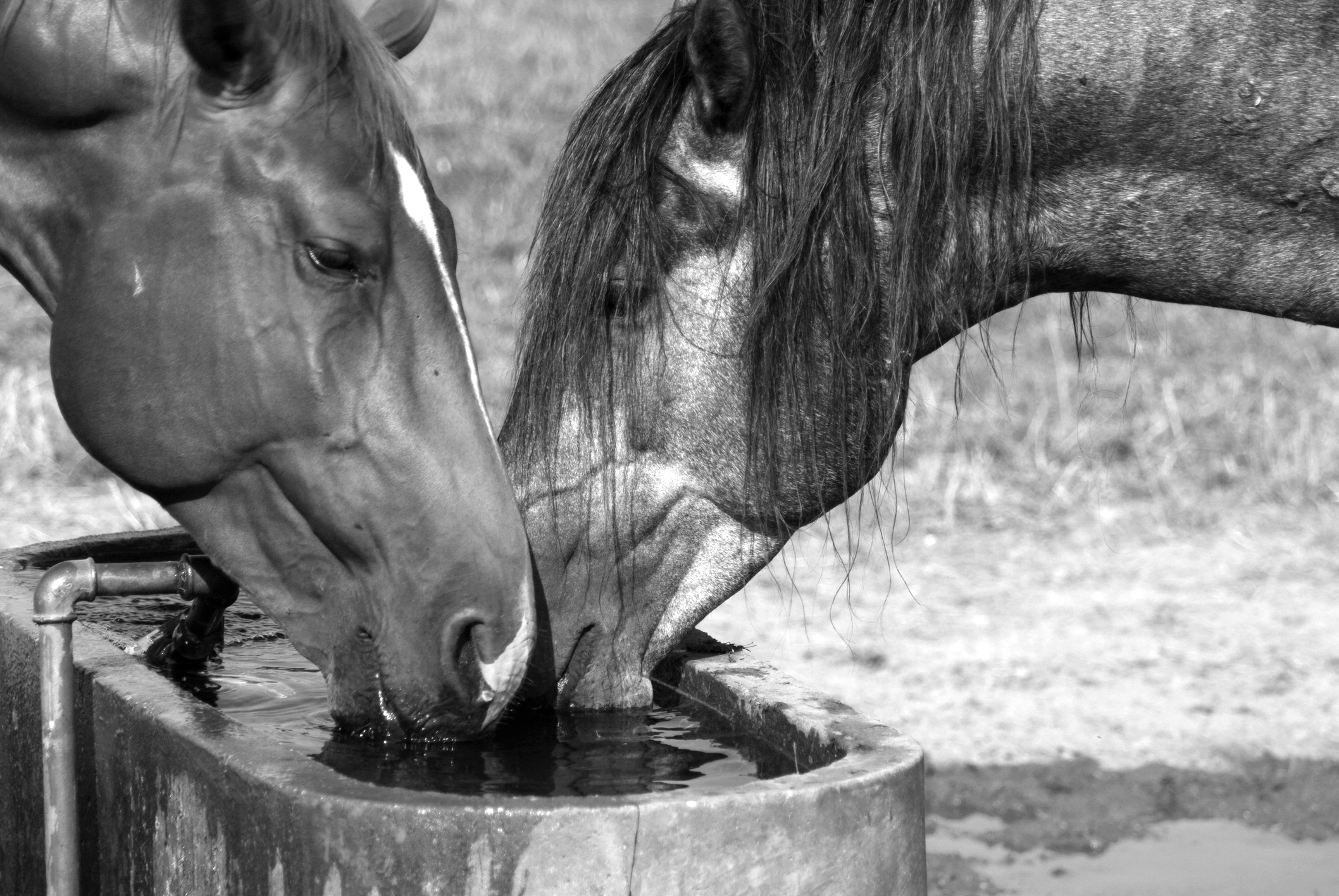
- Ensuring access to clean water: Adequate water intake is essential for maintaining normal intestinal function. Horses should have continuous access to fresh, clean water, and their water consumption should be monitored, particularly during extreme temperatures, travel and illness.
- Supporting regular exercise: Daily turnout and appropriate exercise help promote normal gut motility. Horses with limited activity may have an increased risk of digestive problems.
- Maintaining routine dental and parasite prevention: Dental problems can interfere with proper chewing and digestion, and parasite burdens can contribute to GI issues. Regular dental exams and a veterinary-guided parasite control program are important parts of equine preventive care.
- Minimizing stress: Changes in environment, transportation, competition and herd dynamics can affect digestive health. Maintaining consistent routines and providing appropriate management during stressful events may help reduce risk.
- Scheduling regular veterinary visits: Routine wellness exams allow veterinarians to identify potential health concerns early and provide recommendations tailored to each horse’s age, activity level, diet and medical history.
Because colic can occur in well-managed horses, implementing these strategies doesn’t eliminate the need for awareness and preparation. Knowing a horse’s normal behavior, appetite, manure production and routine can ensure subtle changes are recognized early.
Colic is one of the most serious health concerns affecting horses, but early recognition and timely veterinary care can significantly influence the outcome. By understanding potential causes, recognizing subtle changes, and partnering with a veterinarian on preventive health and management strategies, horse owners can be better prepared to respond when problems arise.
- Colic warrants clinical evaluation. Because the severity of colic cannot always be judged by a horse’s outward signs, every suspected case warrants prompt veterinary evaluation.
- Know the subtle signs. Restlessness, pawing, reduced appetite, changes in manure production, rolling and unusual postures can all signal abdominal pain.
- Prevention starts with management. Consistent feeding, adequate forage and water, regular exercise, dental and parasite care, stress reduction and routine veterinary visits can help reduce risk.
Photo Credit:
istockphoto.com/bluegame
istockphoto.com/LaurieSH
istockphoto.com/Dejan Maricic
istockphoto.com/middelveld