


Closing the Cat Care Gap
Feline-friendly medicine, preventive care and emerging technologies can help veterinary teams overcome barriers to care and improve outcomes for millions of cats.
Anyone who considers themselves a “cat person” will tell you their pets are much-loved family members. Nearly 78 million cats are owned as pets in the U.S., and one in three households have at least one cat.
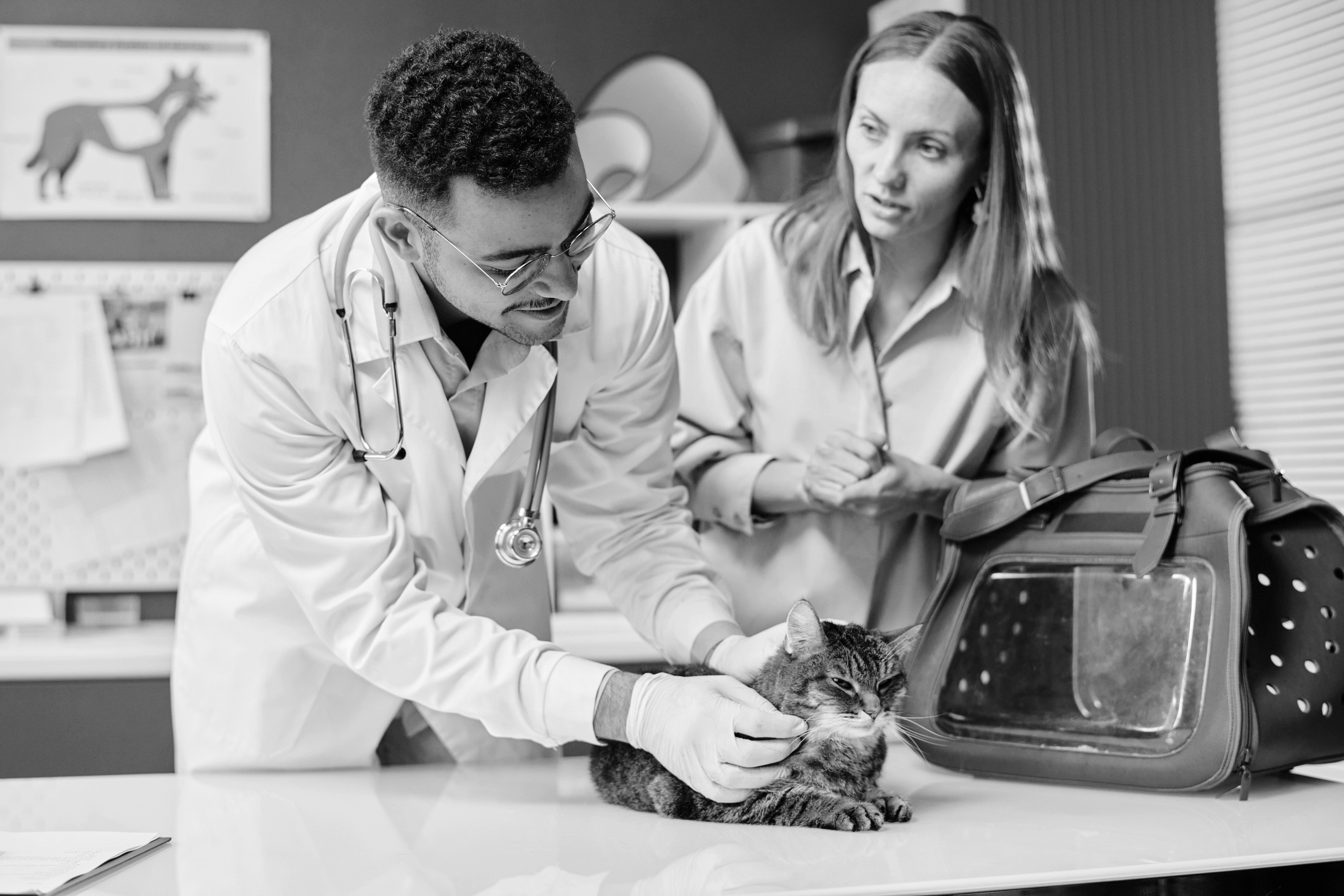
When it comes to veterinary care, however, the numbers just don’t add up. Veterinary practices typically see four times more dogs than cats. The CATalyst Council 2026 State of the Cat Report estimates that 67% of cat parents didn’t take their cat to a traditional veterinary clinic in 2025. Too many companion cats aren’t receiving the healthcare they need.
Today, innovation and a shift toward cat-centered medicine is starting to close the gap. New feline-friendly products, diagnostic testing, pain recognition, nutrition, and new approaches in telehealth, artificial intelligence and even clinic design are helping veterinary teams reduce stress, detect problems sooner and increase owner compliance.
Professional organizations like the Feline Veterinary Medical Association (FelineVMA) emphasize life-stage care, feline-friendly handling and wellness plans tailored to the individual cat. Veterinary visits shouldn’t just be about giving vaccines or treating illness, but also include discussing behavior, dental health, weight management, parasite prevention and pain assessment and screening tests based on the cat’s age and lifestyle.
This focus is especially important for senior cats. Chronic kidney disease, hyperthyroidism, diabetes, osteoarthritis, dental disease, and cardiovascular issues can develop gradually. Since signs may begin as subtle changes in appetite, jumping, grooming, litter box use, or sleep patterns, veterinarians are placing greater emphasis on health history and preventive testing.
Beyond the clinic
Telehealth is becoming an important tool for expanding feline care. While it cannot replace every in-clinic exam, it can make follow-up care, chronic disease and medication monitoring, mobility and pain assessments, and owner education easier and less stressful. For cats with arthritis or other mobility issues, video visits allow veterinary teams to observe the cat in its home environment, where its natural movement may be more apparent. A cat that freezes or hides in the exam room may avoid stairs or jumping at home, providing clues about pain and loss of function. These observations can help teams recommend changes such as ramps, improved floor traction, or lower litter boxes and feeding stations.
Technology also is giving veterinarians and owners new ways to monitor feline behavior. Smart collars, connected water bowls and litter boxes, and app-based tools can track activity, eating, drinking, weight and litter box habits. Comparing a cat’s current routine with its baseline can help flag meaningful changes.
That matters because cats often show illness through subtle behavioral shifts. A decline in jumping may signal arthritis, while increased drinking or urination can point to kidney disease, diabetes or hyperthyroidism. Changes in litter box use may indicate urinary, gastrointestinal, stress or mobility problems. Artificial intelligence cannot diagnose disease, but it can identify patterns that prompt earlier veterinary evaluation and provide useful data for the care team.
Hypertrophic cardiomyopathy (HCM), the most common cardiovascular disease in cats, illustrates the potential. Many affected cats show no outward signs for years. Smart collars or collar-mounted devices can track resting and sleeping respiratory rate (SRR) when a cat is relaxed, establishing a baseline for cardiopulmonary function. A consistent rise in SRR may signal a developing cardiac problem and prompt earlier evaluation.
Making diagnosis easier
Diagnostic innovations and low-stress sampling techniques are enhancing feline practice. More clinics are using urinalysis, thyroid testing, kidney markers, dental radiography, point-of-care ultrasound and in-house lab equipment to detect disease earlier and support preventive care. Cats-only waiting areas, quiet exam rooms, fear-free handling, pheromone support and pre-visit medications can reduce stress and improve the accuracy of exams and testing.
Making treatment easier for owners is another important piece of the puzzle. New formulations and delivery methods can improve compliance, particularly for cats with chronic conditions.
About one in 10 cats over age 10 develops feline hyperthyroidism. Virbac’s Felanorm (methimazole) is the only FDA-approved oral solution for feline hyperthyroidism, eliminating the challenge of giving pills and the safety concerns associated with transdermal gels. The honey-flavored solution has received the International Society of Feline Medicine’s “Easy to Give” award.
Diabetes treatment also is becoming easier. Boehringer Ingelheim’s Senvelgo (velagliflozin oral solution) eliminates twice-daily insulin injections for appropriate cats with a once-daily oral liquid that can be given directly into the mouth or with a small amount of wet food. According to the manufacturer, 90% of newly diagnosed diabetic cats may qualify for treatment, while 96% of veterinarians say it improves quality of life for cats and their owners.
Cats need wellness care specifically for their needs. The future of feline veterinary care will likely combine in-clinic visits with home-based information. An integrated approach can mean earlier diagnoses and increased owner confidence. Clinical expertise, cat-centered handling and collaborative technology means more productive, less stressful and more successful outcomes for cats and the owners who love them.
Another is biological. Cats are masters at masking pain, discomfort and illness and are often perceived as self-sufficient, low-maintenance pets. This puts millions of cats at risk of illness from infectious diseases, parasites, and periodontal disease, and issues from aging or obesity like diabetes, heart disease or arthritis.
Besides compromising the health of so many animals, this lack of care is a major loss in revenue for veterinarians.