


From Frustration to Precision
Few clinical categories have evolved as rapidly in recent years as veterinary dermatology. Once viewed primarily as a seasonal concern, allergic skin disease has become one of the most common and persistent conditions seen in companion animal practice, accounting for a significant share of veterinary appointments and creating long-term management challenges for clinics, pet owners and patients alike.
Today’s allergy cases are increasingly chronic, complex and resource-intensive. Veterinarians report spending more time gathering detailed treatment histories, performing diagnostic workups and guiding owners through long-term care plans. At the same time, pet owners are arriving with higher expectations for rapid relief, greater transparency and personalized treatment recommendations.
Yet alongside these challenges comes opportunity. Advances in dermatology research are ushering in a new era of precision medicine, with targeted therapies that allow veterinarians to better match treatments to individual patients while improving outcomes and quality of life. Practices are also discovering that structured allergy programs can strengthen client relationships, improve compliance and create recurring touchpoints for ongoing care.
In the following articles, veterinary experts discuss with Vet-Advantage the realities of managing today’s dermatology caseloads, emerging treatment innovations, common diagnostic pitfalls and practical strategies for delivering more effective, patient-centered allergy care.
Why Allergy Care Has Become a Veterinary Growth Engine
As canine allergic skin disease becomes one of the most common conditions seen in practice, clinics are finding new opportunities to improve patient outcomes, strengthen client loyalty and generate recurring revenue through structured dermatology programs.
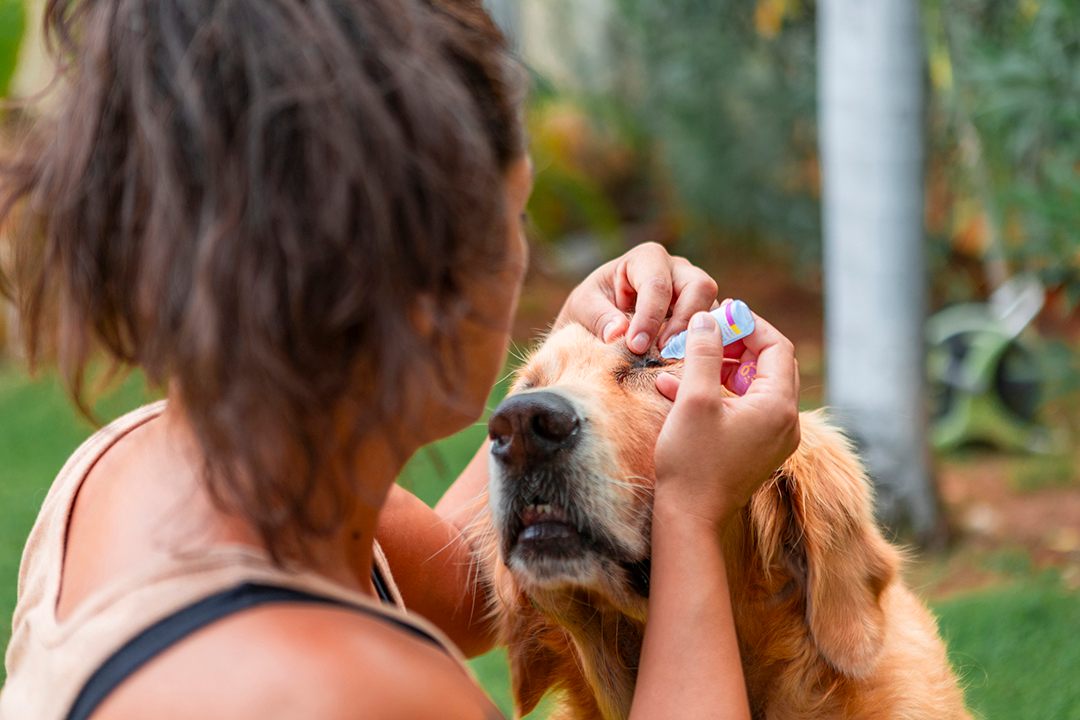
Canine allergy cases have become one of the most common and persistent challenges facing veterinary practices today, creating not only a significant clinical workload but also an ongoing opportunity for practices to strengthen client relationships and build recurring revenue streams. As demand for dermatology care continues to rise, veterinarians are balancing the need for fast relief, long-term management, and better client communication in an increasingly consumer-driven environment.
Dr. Jennifer Miller, medical strategy lead for U.S. dermatology at Elanco Animal Health offered the following insights into allergy and dermatology cases, and how distributor sales reps can better serve their veterinary clinics in this category.
1. Allergy cases now represent a major share of veterinary appointments
“Allergic skin disease is one of the most common conditions we see with approximately 30% of each veterinarian’s weekly case load consisting of canine allergic or atopic dermatitis,” said Dr. Miller. “Nearly 9 in 10 dogs experience some form of itch.”
The sheer volume of allergy-related appointments is turning dermatology into one of the most important recurring categories in companion animal medicine. For practices, that means allergy care is no longer just a seasonal issue — it has become a core driver of patient visits, follow-up care and long-term client relationships.
2. Delayed care is hurting both outcomes and clinic efficiency
“A lot of inefficiency stems from delayed presentations and unmanaged expectations,” Dr. Miller said. Pet owners spend an average of $400 on approximately five over-the-counter remedies and wait about six weeks before seeking veterinary care. By the time they arrive, many dogs are dealing with raw, infected skin and owners are already frustrated.
That delay can complicate treatment plans, increase appointment times and place added pressure on veterinary teams trying to quickly stabilize the patient while rebuilding client confidence.
3. Fast results are becoming critical for client retention
“The benchmark we should all be working toward is delivering effective results by the second visit,” Dr. Miller said. Nearly 8 in 10 itchy dog owners who switched veterinarians did so after three visits or fewer, an industry survey found. Miller said practices need fast-acting therapies and clear first-visit protocols so owners leave feeling confident that relief is coming.
In an increasingly consumer-driven veterinary market, owners expect visible improvement quickly. Practices that fail to communicate a clear treatment plan early may risk losing both compliance and long-term loyalty.
4. Itch management remains a major source of frustration for veterinarians
“Allergic skin disease is one of the most prevalent and complex conditions being treated in clinics,” Dr. Miller said. Six in 10 veterinarians cite itch management as their top frustration, according to industry data. She adds that the challenge is compounded because many owners wait too long to schedule appointments and underestimate how uncomfortable their dogs really are.
By the time patients arrive, veterinarians are often managing inflammation, secondary infections and emotionally exhausted owners all at once. Dr. Miller said better communication and stronger client education can help reduce frustration on both sides of the exam table.
5. Many owners still misunderstand canine allergies
“The biggest misconception is that allergies can be cured,” Dr. Miller said. “The reality is that for most dogs, this is a lifelong managed condition, and the goal is control, not a cure.”
She also notes that many owners fail to connect behaviors such as paw licking, face rubbing and recurring ear infections with allergies until the condition has worsened. “The sooner we can educate owners on what allergy symptoms actually look like and reframe this as a manageable medical condition, the better the outcomes for everyone.”
6. Client expectations are reshaping treatment decisions
“When owners come in wanting fast relief, it pushes us toward therapies that deliver visible results quickly, and that early win matters enormously,” Dr. Miller said. At the same time, she emphasizes the importance of balancing fast relief with realistic conversations about long-term disease management and ongoing care.
Practices increasingly must navigate the tension between immediate symptom relief and educating clients that allergy care is often a long-term process requiring monitoring, adjustments and continued communication.
7. Cost transparency is becoming increasingly important
“Cost remains a real barrier,” Dr. Miller said. According to survey data she cited, 75% of owners say they need more affordable treatment options. Practices that clearly explain costs, provide flexible treatment plans and communicate long-term expectations are more likely to maintain client compliance.
As veterinary costs continue to rise industrywide, practices that proactively discuss pricing and treatment options may strengthen trust while reducing the likelihood that owners delay or abandon care.
8. Dermatology treatment options are becoming more targeted
“The biggest shift has been moving away from broad immunosuppression toward more targeted therapies,” Dr. Miller said. She notes that newer therapies are giving veterinarians more flexibility to tailor treatment plans to individual patients and clinical presentations.
Rather than relying on a one-size-fits-all approach, veterinarians now have more tools available to match therapies to the patient’s specific level of inflammation, itch severity and lifestyle needs, helping support more personalized care.
9. Dermatology can create recurring revenue opportunities for practices
“Allergic skin disease is extremely prevalent,” Dr. Miller said, noting research that indicates nearly 79 million dogs in the U.S. experience some form of itch. Structured allergy programs can create ongoing touchpoints through rechecks, diagnostics, product recommendations and client follow-up, helping practices build stronger long-term relationships.
Dr. Miller also noted that veterinary technicians can play a larger role in allergy workflows by collecting samples, processing diagnostics and reinforcing client education, allowing veterinarians to focus more heavily on case management.
10. Distributor reps can play a larger consultative role
“Distributor reps are in a unique position since they’re working across practices and can bring insights from what’s working in one clinic to another,” Dr. Miller said. She adds that reps who provide educational tools, workflow ideas and treatment updates can become valuable partners in helping practices improve dermatology efficiency and client communication.
As allergy care becomes more protocol-driven and therapeutically advanced, distributor representatives may increasingly serve as practice consultants, helping clinics stay current on new products, staff education and workflow strategies.
The decision starts with a thorough history and exam, particularly determining whether inflammation is present.
Dogs with itch but little inflammation may benefit from targeted therapies such as anti-IL-31 monoclonal antibodies or JAK inhibitors, while broader inflammatory cases may require cyclosporines or steroids.
Dr. Miller also stressed the importance of checking the ears, noting that up to 50% of allergic dogs develop otitis externa.
Photo Credit:
istockphoto.com/RossHelen
istockphoto.com/juan Aizpuru
istockphoto.com/Nikola Stojadinovic
Barrier Support
Allergens don’t just float in — in many dogs, they walk right through the skin. The case for putting barrier support at the center of your atopic dermatitis protocol.
For years, veterinarians approached canine allergies much the same way human medicine approached allergic disease — assuming environmental allergens were primarily inhaled and triggered symptoms from within. But a growing body of research over the past 10-15 years has shifted that understanding, revealing that many dogs with allergic dermatitis suffer from a compromised skin barrier that allows allergens to penetrate directly through the skin.
“Healthy skin acts as a protective wall,” said Dr. Zachary Miller, medical affairs lead, dermatology, Dechra. “It keeps moisture in while preventing allergens, bacteria, yeast and other irritants from entering the body.”
In dogs with atopic or allergic dermatitis, however, that barrier becomes compromised. The skin can become dry, porous or “leaky,” allowing substances such as pollen, mold and dust mites to pass through the skin and activate the immune system, triggering inflammation and itch. “These allergens make their way through the skin and encounter immune cells that recognize them as foreign,” Dr. Miller said. “That’s what ignites the inflammatory response.”
That evolving understanding is changing the way veterinarians think about treatment. While itch control remains an important part of managing allergic disease, Dr. Miller said restoring and supporting the skin barrier has become an increasingly important component of long-term success. Through topical therapies, ceramide-based products and proactive skin care routines, clinics have new opportunities to strengthen the skin’s natural defenses and help reduce the cycle of recurring flare-ups that frustrates both pet owners and veterinary teams.
Barriers to barrier support
While topical therapies are widely recognized as an important part of managing allergic skin disease, they are often underused in day-to-day practice. According to Dr. Miller, the issue is not a lack of clinical appreciation for these products, but rather the practical challenges that come with selecting and consistently implementing them.
“Veterinarians understand the value of topical therapy,” Dr. Miller said. “The challenge is knowing which product to use, when to use it and whether owners will follow through consistently.”
That complexity starts with choice overload. With many shampoos, sprays, mousses, wipes and other topical products available, determining the right fit for a specific patient can feel overwhelming. In many cases, that uncertainty can slow decision-making or lead to inconsistent recommendations across similar cases.
Owner compliance adds another layer of difficulty. Some dogs tolerate bathing well and owners are able to maintain a routine. Others are resistant, or their caregivers struggle to keep up with frequent applications. For that reason, Dr. Miller said that education is just as important as product selection — helping owners understand what each therapy is actually doing for their pet, whether that is removing allergens from the coat, controlling infection, restoring hydration or strengthening the skin barrier.
He often uses a simple analogy to make the concept more accessible.
“I often compare bathing to wiping an Etch A Sketch clean,” Dr. Miller said. “Dogs constantly collect allergens from their environment. Shampooing helps remove those allergens and reset the skin.”
Rethinking ear disease as part of the allergic cycle
Ear infections are often approached as isolated problems in veterinary practice — something occurring “in the ear” rather than as part of a broader disease process. But Dr. Miller said that separation misses a critical connection.
“Many veterinarians see a dog scheduled for an ear problem and naturally focus on the ear itself,” he said. “But nearly 80% of ear infections are associated with allergies, so they’re often part of the same disease process.”
That perspective reframes how clinicians approach diagnosis and treatment. Instead of treating otitis as a standalone issue, Dr. Miller emphasized the importance of starting with a solid diagnostic foundation, particularly cytology. Identifying whether bacteria, yeast or a combination is present helps guide more targeted and effective therapy.
Inflammation control is equally important in breaking the cycle of recurrence. Long-acting therapies such as Dechra’s Osurnia and DuOtic are designed to provide extended control for 45 days, which can be especially valuable in chronic or recurrent cases. But Dr. Miller noted that lasting success depends on viewing ear disease the same way clinicians now approach allergic skin disease — as a condition that requires ongoing management, not just acute intervention.
That shift also opens the door to more precise treatment choices. Historically, many ear medications combined an antifungal, antibiotic and steroid in a single formulation. While widely used for decades, that “three-in-one” approach is increasingly being reconsidered.
DuOtic represents a more targeted option. Because it does not contain an antibiotic, it allows veterinarians to treat yeast-only infections without unnecessary antimicrobial exposure.
“Approximately 40% of otitis cases involve yeast alone,” Dr. Miller explained. “In those cases, antibiotics are not necessary.”
As cytology becomes more routine in practice, clinicians are better positioned to match treatment to the actual underlying cause. That shift supports antimicrobial stewardship while ensuring patients still receive effective care.
“DuOtic gives veterinarians a practical way to treat yeast-only infections effectively,” Dr. Miller said, “while preserving antibiotics for cases where they’re truly indicated.”

Managing expectations in a disease defined by flare-ups
When allergic dermatitis and chronic ear disease aren’t fully controlled, the consequences extend well beyond the exam room. Frustration builds on multiple sides of the equation — owners, pets and veterinary teams alike.
Recent research underscores just how significant that burden can be, with some data suggesting that when owners don’t see meaningful improvement after several visits, they may ultimately seek care elsewhere. For veterinary teams, that creates a difficult reality: even when care is appropriate and thorough, the chronic and relapsing nature of the disease can undermine perceived success.
“That’s why setting expectations is so important,” Dr. Miller said. “Allergic disease isn’t something that’s cured — it’s managed. Flare-ups will happen, even when everyone is doing everything correctly.”
Transparency becomes a critical clinical tool. By clearly communicating that allergic disease is long-term and cyclical, veterinarians can help align owner expectations with medical reality. Education also reinforces the need for sustained, multi-modal therapy rather than short-term fixes, building trust over time even when setbacks occur.
From a practical standpoint, Dr. Miller said that success depends on looking beyond the immediate flare-up. While addressing acute infection and inflammation is essential, long-term management is what ultimately reduces recurrence.
That often means veterinarians designing a simple, realistic maintenance plan for pet owners to follow. Regular bathing with ceramide based or infection control shampoos, other barrier support therapies such as skin care collars, fatty acid supplementation, and routine ear care flushes can play a role in breaking the cycle of flares.
“The key,” Dr. Miller said, “is creating a sustainable at-home plan that pet owners can realistically follow.”
Over the next five years, Dr. Miller sees education and proactive management — not necessarily new technology — as the biggest opportunity in veterinary dermatology. Pet owners need a clearer understanding that allergic dermatitis is a lifelong condition marked by cycles of improvement and flare-ups, even with excellent care. Research suggests allergic dogs may visit a veterinarian as many as 16 times for skin-related issues, underscoring the complexity of long-term management.
“It is unlikely there will ever be a single magic solution,” Dr. Miller said. Instead, success depends on a multi-pronged approach that addresses itch control, skin barrier health and infection management while keeping pet owners informed, engaged, and prepared for the long-term nature of care.”
Photo Credit:
istockphoto.com/RossHelen
istockphoto.com/Iryna Drozd
The Next Generation of Pet Allergy Care: Target the Itch, Spare the Immune System
As allergic dermatitis cases surge, advances in precision medicine are transforming chronic skin disease from a frustrating battle into personalized, targeted therapy.

Skin disease remains one of the most common reasons pets visit the veterinarian, and the trend shows no signs of slowing down. According to industry data, allergic dermatitis alone affects up to 20% of the canine population,1 making it a persistent challenge for small animal practitioners and a significant source of discomfort for pets. Dr. Christine McKinney, DVM, DACVD, a board-certified veterinary dermatologist with Merck Animal Health, said the prevalence of allergic skin disease may be even higher than published estimates suggest.
“Based on my clinical experience, I think that number is likely increasing, especially given the popularity of predisposed dog breeds, such as the French bulldog,” she said.
As veterinary teams continue to manage growing caseloads of allergic dermatitis, otitis and other chronic skin conditions, advances in dermatology are reshaping how these diseases are diagnosed and treated. Researchers are gaining a deeper understanding of the complex pathways that drive allergic disease, opening the door to more targeted therapies designed to address the underlying causes of inflammation and itch, like NUMELVI (atinvicitinib tablets).
NUMELVI is the first and only second-generation Janus kinase (JAK) inhibitor indicated for the control of pruritus associated with allergic dermatitis in dogs six months of age and older, Merck notes. This once-daily, first-line treatment inhibits activity of cytokines responsible for the itch and inflammation of allergic dermatitis. By precisely targeting that itch signal, it’s designed to be both effective at relieving itch and well tolerated.
Looking ahead, Dr. McKinney expects veterinary dermatology to move increasingly toward precision medicine. “Our knowledge of the pathogenesis of allergic disease is expanding rapidly, so I expect in the next three to five years we will see more and more movement toward precision treatments,” she said. She also anticipates a growing number of therapeutic targets for monoclonal antibodies, providing veterinarians with more treatment options tailored to individual patients.
For veterinary practices, these developments could mean more effective long-term management of chronic skin disease, improved quality of life for pets and new opportunities to deliver personalized care.
Avoiding common dermatology missteps
While dermatology cases are among the most common conditions seen in companion animal practice, they can also be some of the most frustrating. Dr. McKinney believes many of the challenges stem not from a lack of treatment options, but from a few recurring diagnostic and management pitfalls.
The first is failing to adequately address inflammation. While controlling itch is important, Dr. McKinney said many allergic patients — particularly those with otitis, pododermatitis and recurrent infections — require treatment strategies that target the underlying allergic inflammatory response.
“Some dogs only require anti-pruritic treatment, but many need control of that allergic inflammatory response that contributes not just to itch, but chronic changes in the skin structure, barrier and microbiome,” she said.
Another common mistake is not performing enough diagnostics, especially cytology. Microbial imbalance often plays a significant role in allergy flares, and identifying exactly what organisms are present is critical for selecting the right treatment and monitoring response. Cytology can also reveal unexpected findings that point clinicians away from allergy and infection altogether.
“Sometimes I will find things on cytology, or not find expected things, that take me down a path away from allergy and infection,” Dr. McKinney said.
Finally, she noted the importance of having a structured plan. Complex allergy cases often involve multiple therapies, diet trials and rechecks. Without a roadmap, practitioners can quickly lose sight of the next step.
If Dr. McKinney could standardize one aspect of dermatology practice across clinics, it would be a comprehensive workflow built around detailed history-taking, objective itch scoring, year-round parasite prevention, and routine cytology. She believes every itchy pet benefits from a thorough dermatology questionnaire and standardized measures such as a pruritus visual analog scale (PVAS).
Most importantly, she said, cytology should be considered a routine part of dermatology care. Missing or misdiagnosing infection remains a leading cause of perceived treatment failure and contributes to growing concerns about antimicrobial resistance.

Decoding dermatology for pet owners
One of the biggest challenges in veterinary dermatology isn’t diagnosing skin disease, but helping pet owners understand it. Conditions such as atopic dermatitis can be complex, involving immune dysfunction, environmental triggers, chronic inflammation, and secondary infections. Dr. McKinney said simplifying those concepts is essential for building client understanding and compliance.
One effective strategy is drawing parallels to human medicine. Dr. McKinney often refers to atopic dermatitis as “eczema,” a term many pet owners already recognize from their own experiences or those of family members.
“Using the human terminology for the disease resonates with many people,” she said. “It also helps owners recognize that allergen avoidance is much harder than they initially think.”
Beyond terminology, Dr. McKinney focuses on explaining the underlying inflammatory process in straightforward language. Rather than diving into complex immunology, she tells owners that their pet’s immune system is overreacting to everyday environmental substances such as pollen, dust mites, or dander.
“I will say something like, ‘Your pet is allergic to things in their environment, like dust mites, dander and pollens. The immune system is overreacting to substances that it should normally tolerate, which makes skin itchy and inflamed,’” she said.
That conversation becomes particularly important when discussing recurrent ear infections or skin infections. Many owners view infections as the primary problem, when in reality they are often a consequence of ongoing inflammation.
Helping clients understand that inflammation comes first — and creates an environment where infections can thrive — can make treatment recommendations easier to understand and accept. It also provides context for why veterinarians may prescribe anti-inflammatory or immune-modulating therapies in addition to treating infections.
By connecting complex medical concepts to familiar experiences and simple explanations, veterinary teams can improve client communication, strengthen treatment adherence and ultimately achieve better outcomes for pets suffering from chronic allergic skin disease.
The rep’s role in dermatology success
As new dermatology therapies enter the market, distributor sales representatives can play a critical role in helping clinics successfully adopt them.
According to Dr. McKinney, reps bring far more to the table than product information. Because they work closely with multiple practices, they often have valuable insights into implementation strategies, workflow improvements and common challenges clinics face when introducing new protocols.
“Reps are such an amazing source of knowledge,” said Dr. McKinney. “Not just about technical aspects of different products, but also what each individual clinic might be struggling with when it comes to implementing new protocols.”
She notes that change can be difficult in busy veterinary practices. Reps can help bridge that gap by providing educational resources for support staff, clinical information for veterinarians, and practical examples of what has worked successfully in other clinics.
Beyond education, Dr. McKinney said representatives bring something equally important: enthusiasm.
“The reps also bring enthusiasm that sometimes is hard to feel amidst the day-to-day activities in a clinic,” she said.
For practices looking to improve outcomes in allergic and dermatology patients, that combination of product expertise, practical support and encouragement can make all the difference when adopting new treatment approaches.
“It is amazing and heartening to see the treatment options for allergic dogs expand,” said Dr. McKinney. “Treatments are becoming more targeted and precise to address the inappropriate allergic response, which hopefully means better outcomes for more patients.”
That sort of treatment precision is what Merck Animal Health’s NUMELVI is all about, Dr. McKinney said. “As the only second-generation JAK inhibitor in veterinary medicine,2 the high selectivity for JAK1 over the other JAK enzymes means that NUMELVI is targeting the main driver of itch and inflammation, while sparing the other JAK enzymes that are responsible for beneficial immune functions and hematopoiesis.”3
References:
- Hill PB, Lo A, Eden CA, et al. Survey of the prevalence, diagnosis and treatment of dermatological conditions in small animals in general practice. Vet Rec. 2006;158(16):533-539. doi:10.1136/vr.158.16.533
- Kowalski T, Schuette S. The second-generation Janus kinase inhibitor atinvicitinib is a potent and highly selective inhibitor of JAK1. Vet Dermatol. 2026;37(2):179
- Huang I, Chung W, Wu P, Chen C. JAK-STAT signaling pathway in the pathogenesis of atopic dermatitis: an updated review. Front Immunol. 2022;13:1068260
Photo Credit:
istockphoto.com/Wavetop
istockphoto.com/Kerkez
Longer Visits and Deeper Diagnostics
Rising case complexity and extensive client treatment histories are driving longer appointments and more detailed dermatologic workups in practice.

Chronic allergy and dermatology cases can significantly shape the daily rhythm of a veterinary practice, often requiring longer, more complex appointments that can ripple through the schedule. Michele Rosenbaum, VMD, medical lead, dermatology for Zoetis, said these visits frequently involve multiple team members to gather histories, assist with exams, and collect and interpret skin and ear samples, adding to staff workload and time demands.
Indeed, veterinarians are not only seeing more dermatology patients, but they’re also managing cases that are increasingly chronic and complex. According to industry figures, roughly seven in 10 dogs presenting with acute pruritus ultimately require long-term seasonal or ongoing management, underscoring how frequently short-term itching evolves into a persistent condition.1 Certain popular breeds — including Golden and Labrador retrievers, doodles, English and French bulldogs, and German shepherds — are also predisposed to more severe allergic and atopic dermatitis, which can progress over time. This growing caseload complexity, Dr. Rosenbaum said, reinforces the need for veterinarians to be confident in managing foundational dermatology cases while referring more advanced cases when appropriate.
Dermatology appointments also tend to be among the most time-intensive in practice, driven in part by extensive at-home treatment attempts before pets are seen in clinic.
“Close to 90% of pet parents have tried at least one — and in some cases up to 15 — over-the-counter medications” prior to seeking veterinary care, Dr. Rosenbaum said.2> With social media adding to the volume of suggested remedies, clinicians often must spend significant time reconstructing treatment histories and clarifying prior interventions.
A complete dermatologic workup also requires careful physical examination and in-clinic diagnostics such as skin scrapings and cytology. Because of this, Dr. Rosenbaum recommends that new dermatology appointments be scheduled for at least 30 minutes to allow adequate time for history-taking, diagnostics and client communication.
Long-term structure and client follow-through
Long-term dermatology patients often present ongoing operational challenges for veterinary teams, largely because allergic skin disease is rarely resolved in a single visit and typically requires iterative management.
These cases often involve “a lot of trial and error,” Dr. Rosenbaum said, with patients frequently on multiple medications while simultaneously undergoing diagnostic trials such as flea control and food elimination diets. That complexity makes it essential to track what is and is not working over time, a process that can be difficult when follow-up visits are missed or clients cannot accurately recall prior responses to therapy.
Dr. Rosenbaum said that when continuity breaks down, clinicians may be forced to restart the diagnostic process, adding cost and time for both the clinic and the client.
“A logical and stepwise approach over several well-planned visits over several months often is needed,” she said, emphasizing that successful long-term management depends on building an individualized maintenance plan and ensuring consistent rechecks.
Improving compliance in chronic allergy care
Improving continuity of care in chronic allergic dermatitis cases often starts with reducing the day-to-day burden on pet owners. Approved therapies with demonstrated safety and ease of administration can significantly improve compliance, particularly in long-term cases where adherence is critical.
Dr. Rosenbaum pointed to formulation choice as a key factor in owner success. She said research shows that 65% of pet owners report difficulty administering traditional tablet medications, while 70% preferred Apoquel Chewable (oclacitinib chewable tablet) over Apoquel tablet (oclacitinib tablet) after reviewing product profiles.3 In clinical field trials, Apoquel Chewable demonstrated a treat-like dosing experience with more than 90% free-choice acceptance in dogs, helping reduce stress for both pets and owners.4
Long-acting injectable therapies such as Cytopoint (lokivetmab), which targets IL-31 and provides itch relief for four to eight weeks, offer another option that simplifies treatment through extended in-clinic dosing intervals.5,6 Dr. Rosenbaum said that reducing treatment complexity not only improves pet quality of life, but also strengthens the veterinarian-client relationship by making long-term care more manageable.
Equally important, she said, is communication. From the first visit, clients should understand that allergic disease is manageable rather than curable, and that consistent treatment is essential for long-term control. Clear explanations, regular check-ins, and proactive identification of adherence barriers help ensure clients stay engaged.
Individualized treatment planning critical to success
Effective management of chronic allergic and atopic dermatitis hinges on tailoring therapy to the individual patient, rather than relying on a one-size-fits-all approach. According to Dr. Rosenbaum, developing an individualized treatment plan is the key to success with chronic allergic and atopic dermatitis patients, particularly as the range of available therapeutic options continues to expand. She added that building long-term relationships with both pets and their owners — and seeing meaningful clinical improvement over time — can be among the most rewarding aspects of dermatology practice.
Dr. Rosenbaum noted that a precision medicine approach is increasingly shaping the future of veterinary dermatology, supported by a growing portfolio of targeted therapies that allow clinicians to better match treatment to patient needs. She highlighted the value of having flexible options within a single therapeutic framework, including JAK inhibitors such as oclacitinib and monoclonal antibody therapies like lokivetmab, which enable veterinarians to adjust treatment based on response, lifestyle, and owner preference.
Successful allergy management, Dr. Rosenbaum said, is rarely achieved with a single therapy alone. Instead, clinicians are encouraged to identify an “anchor therapy” that provides sustained, acceptable control for both the patient and the owner. She describes this as a treatment that meets the “4 S’s”: satisfactory control of clinical signs, sustainability over time, acceptance by the pet, and ease of long-term management for the pet parent, supported by strong safety and pharmacovigilance data.
From there, additional supportive therapies are often layered in to address the multifactorial nature of allergic disease. These may include parasite and flea control, topical antimicrobials and anti-inflammatories, barrier repair strategies, dietary management, and, in more complex or refractory cases, combination approaches such as immunotherapy or cyclosporine.
This stepwise, multi-modal framework allows practitioners to build individualized plans that evolve with the patient’s response over time, rather than relying on a single fixed intervention.
References:
- Data on file. Pruritus diary study, Wave 2, 2015, Zoetis Inc.
- Data on file. Pet Owner Quantitative Market Research, 2013. Zoetis Inc.
- Data on File, ZMR: Adelphi/PROVE:Pet Owner Preferences Chewable Vs. Conventional Canine Pruritus, Zoetis Services LLC, March 2023. N= 262 pet owners
- Visser M, Walsh K, King V, Sture G, Caneva L. Acceptance of oclacitinib maleate (Apoquel®) chewable tablets in client-owned dogs with allergic and atopic dermatitis. BMC Vet Res. 2022;18(1):103. doi:10.1186/s12917-022-03210-x. N = 121 dogs
- Data on File, Study report no. 17SORDER-01-01 (v1.0), 2018, Zoetis Inc.
- Michels GM, Ramsey DS, Walsh KF, et al. A blinded, randomized, placebo-controlled, dose determination trial of lokivetmab (ZTS-00103289), a caninized, anti-canine IL-31 monoclonal antibody in client owned dogs with atopic dermatitis. Vet Dermatol. 2016;27(6):478-e129. doi:10.1111/vde.12376
Photo Credit:
istockphoto.com/Jovanmandic