


Meet The Generation Driving Pet Industry Growth
Generation Z is no longer an emerging audience in the pet industry. Based on the latest industry research, it is becoming one of its most powerful growth engines.
Indeed, younger consumers are driving increases in pet ownership, influencing purchasing behavior through social media, and reshaping how brands engage with pet parents in an increasingly digital marketplace. According to Pete Scott, president and CEO of the American Pet Products Association (APPA), Gen Z’s impact extends far beyond demographics and into the cultural direction of the industry itself.
“Gen Z has quickly become one of the most influential growth drivers in the pet industry,” Scott said. In 2025 alone, Gen Z cat ownership increased by 15%, while Gen Z dog ownership rose by 7%, helping fuel demand across multiple product categories and services. But the generation’s influence is not limited to ownership growth. Scott noted that Gen Z’s “highly social and digital-first behavior accelerates trend adoption faster than previous generations,” rapidly shifting consumer expectations throughout the industry.
Gen Z tends to view the human-animal bond as deeply reciprocal and emotionally essential. Pets are increasingly seen as emotional support systems, family members, wellness companions, and daily sources of stability and routine, Scott said. APPA’s data reinforces that: 80% of Gen Z pet owners cite happiness and emotional support as a health benefit of pet ownership, a 21% increase from 2024.
“We’re also seeing Gen Z prioritize experiences, enrichment and personalization for pets at much higher rates, whether that’s investing in nutrition, aesthetically designed products or pet-inclusive activities and travel,” Scott said.
APPA research also shows that Gen Z is entering pet ownership with strong expectations around convenience, transparency and digital accessibility. They’re highly research-oriented consumers who want brands and service providers to align with their values, from sustainability to mental wellness and authenticity: 63% of Gen Z pet owners become aware of new pet products on social media, 90% use social media to learn about pet products online, and 28% rely on influencers for product discovery.
Life stage and species shifts
Broader life-stage trends are playing a central role in how Gen Z approaches pet ownership, shaping everything from timing to lifestyle integration. According to Scott, delayed marriage and parenthood are key factors driving earlier and more central pet adoption, with pets often filling roles traditionally associated with family formation and caregiving.
Urban living is also influencing both preferences and purchasing behavior. Gen Z pet owners in apartments and smaller homes are increasingly drawn to convenience-focused solutions, multifunctional products, pet tech and space-efficient designs tailored to compact environments. At the same time, the rise of remote and hybrid work has deepened the human-animal bond, increasing daily interaction and encouraging more active engagement in enrichment, training, and wellness routines.
“This has also normalized pets being more integrated into everyday life and work culture,” Scott noted, pointing out that 14% of Gen Z pet owners report working in pet-friendly offices — a signal that pets are no longer just part of home life, but increasingly woven into how younger adults live and work.
Scott noted there are also some notable shifts in species preferences among Gen Z, particularly around cat ownership. Factors like apartment living, flexible lifestyles, affordability considerations and work schedules can make cats feel like a more accessible fit for some younger consumers, he said. Gen Z cat ownership rose from 39% in 2024 to 45% in 2025, which is one of the clearest indicators of that momentum.
“At the same time, dogs remain incredibly important to Gen Z pet owners, particularly because of the emotional companionship, activity and social connection they provide,” he said.
Rather than replacing dogs, cats are increasingly growing alongside them in popularity. In 2025, 59% of Gen Z pet owners had a dog, up from 55% in 2024. The simultaneous rise in both cat and dog ownership suggests Gen Z is expanding participation across species rather than narrowing around one default pet model.
Rising costs, rising expectations in veterinary care
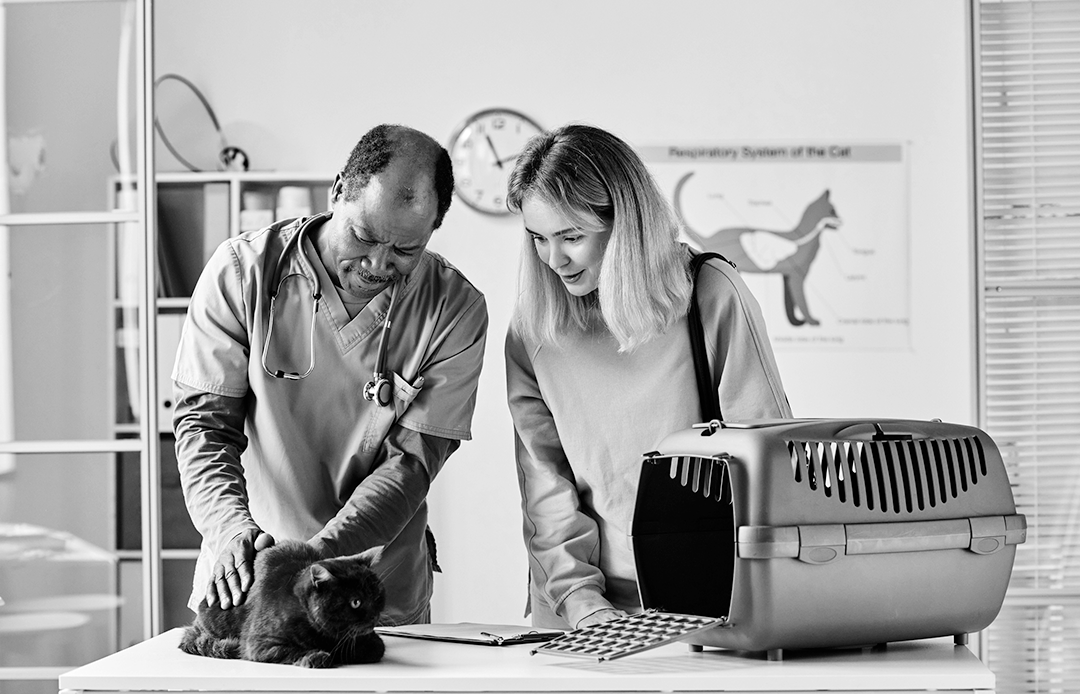
Rising veterinary costs are playing a significant role in shaping how Gen Z approaches pet care, particularly as younger consumers navigate broader financial pressures such as student debt, housing costs and inflation. According to Scott, affordability is a real concern, but it is not causing Gen Z to disengage from veterinary care. Instead, it is driving a more intentional, value-conscious approach to how care is accessed and paid for.
APPA research shows that 45% of Gen Z pet owners are concerned about access to veterinary care, and of those, 62% say affordability is the primary issue. Even with these challenges, Scott noted that younger pet owners continue to prioritize care and are actively seeking tools to make it more manageable rather than eliminating it altogether. Wellness plans, telehealth services, pet insurance and more transparent pricing models are all gaining traction as ways to help Gen Z better anticipate and budget for veterinary expenses.
At the same time, expectations for the veterinary experience itself are evolving. Gen Z increasingly expects care delivery to mirror the convenience and communication standards they experience in other parts of their lives. That includes digital scheduling, texting, app-based communication, transparent pricing and an active social media presence from practices — all paired with trusted clinical expertise.
“There’s also a growing expectation that veterinary practices acknowledge the emotional side of pet care,” Scott said, underscoring that Gen Z pet owners are more emotionally invested in their pets and respond strongly to practices that balance medical expertise with empathy, approachability, and ongoing relationship-building.
Shifting sources of authority in pet care information
Alongside changes in ownership behavior and spending, younger pet owners are also reshaping where they turn for trusted pet care information — a shift that is redefining influence across the veterinary and broader pet services ecosystem.
According to David Sprinkle, pet and veterinary industry analyst with Marigny Research Group, Packaged Facts, these patterns reflect deeper psychographic changes in how Gen Z views expertise and care. “Relatively higher use of alternative types of veterinary practices among younger-generation pet owners ties into significant shifts in consumer psychographics — including, notably, attitudes about the primacy of veterinarians as sources of pet care information,” Sprinkle said.
Packaged Facts’ January 2026 survey data shows that only 41% of Gen Z pet owners list veterinarians among their most important sources of pet care information, compared with 72% of Boomers. Instead, Gen Z places relatively greater emphasis on the internet and social media, which play an outsized role in how they discover and evaluate pet care guidance.
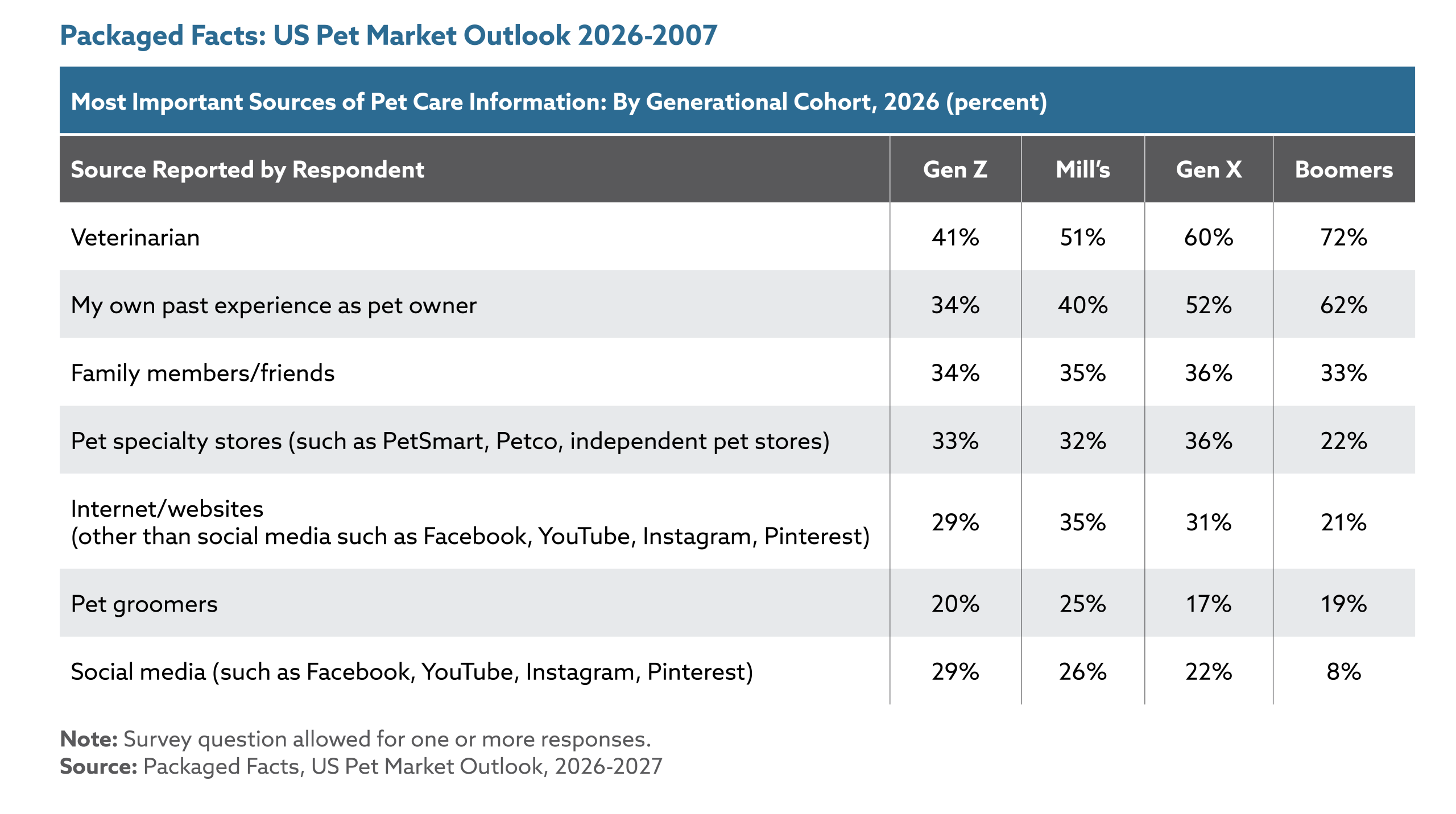
Non-medical pet service providers are also emerging as key influencers. Among Gen Z pet owners, 44% highly value groomers, boarders, day care providers and trainers as sources of pet care information — slightly higher than the 41% who prioritize veterinarians for that role. Sprinkle noted that this shift helps explain why hands-on pet services are becoming central to competitive strategies across the industry, especially as e-commerce and digital discovery continue to expand.
“The stubborn fact confirmed by these generational patterns is a considerable gap between what traditional veterinary training and business models include as scientific healthcare and the broader pet ‘health and wellness’ priorities of current (and especially younger) pet owners,” Sprinkle said. He added that while these priorities are sometimes dismissed as trend-driven, they also signal a need to reconsider and update veterinary business models, particularly as macroeconomic pressures and shifting dog population trends weigh on growth, even as digital technology and AI continue to transform pet parenting.
The next decade of pet ownership
Looking ahead, Gen Z’s influence is poised to reshape the pet industry in ways that extend well beyond product trends and purchasing behavior. Scott believes the next 5 to 10 years will bring a continued evolution toward a more personalized, wellness-focused, digitally connected and lifestyle-integrated pet care ecosystem.
“Over the next decade, Gen Z will likely accelerate the pet industry’s evolution toward a more personalized, wellness-focused, digitally connected, and lifestyle-integrated market,” Scott said. He noted that this generation is pushing brands and service providers to move beyond traditional ownership models and instead design experiences that fully integrate pets into modern life. That shift is expected to fuel growth in areas such as functional and modular nutrition, preventative healthcare, pet technology, sustainability, customization and home products designed specifically with pets in mind.
Gen Z is also reshaping how identity and aesthetics intersect with pet ownership, helping normalize the idea that pet products should reflect personal style. This, in turn, is influencing everything from retail merchandising to product design, as brands adapt to a consumer base that expects both function and self-expression.
At the same time, discovery and shopping behaviors remain highly fluid. Scott pointed out that 63% of Gen Z pet owners discover products through social media, while 28% rely specifically on influencers. Yet in-person retail still plays a major role, with 57% continuing to browse in stores — underscoring a highly engaged, omnichannel path to purchase that is redefining how the industry reaches consumers.
“Perhaps most importantly, Gen Z’s influence will continue deepening the human-animal bond at a cultural level,” Scott said. “Pets are increasingly becoming woven into how younger consumers define family, wellness, routine, and connection, and that emotional shift will continue shaping innovation across the industry.”
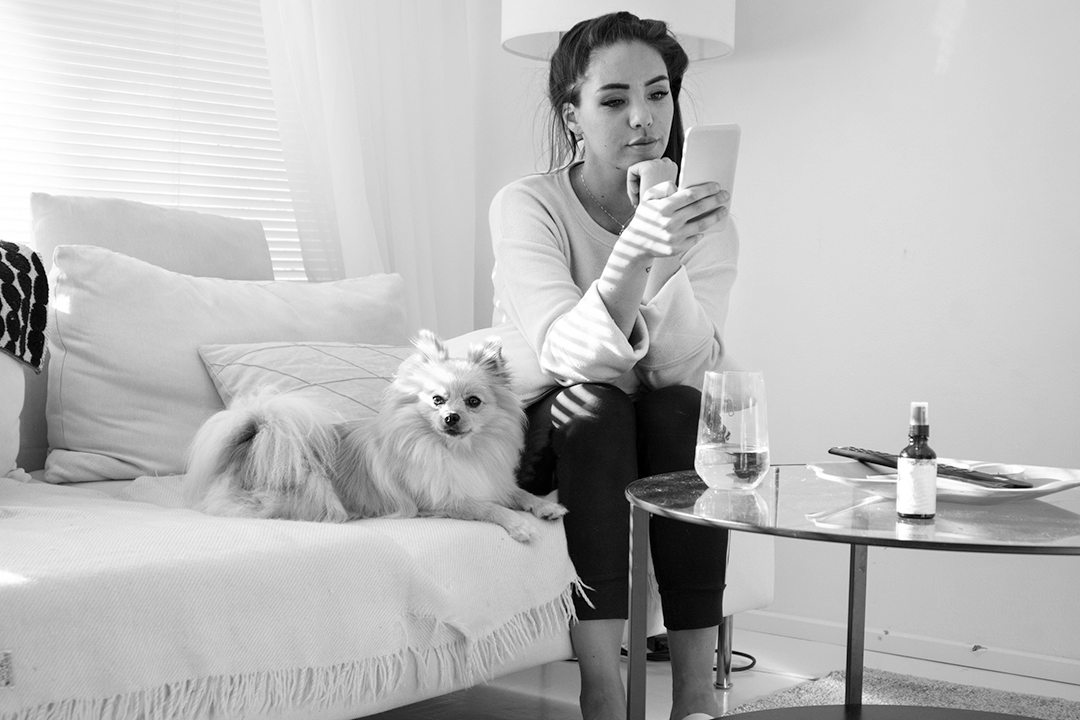
2. Pets are deeply tied to wellness and lifestyle: Eighty percent of Gen Z pet owners say pets improve happiness and emotional support, reflecting a stronger emotional bond. This generation is also prioritizing enrichment, personalization, pet-inclusive travel and aesthetically designed products that fit their lifestyles.
3. Convenience and digital engagement are reshaping veterinary care: Gen Z expects veterinary practices to offer digital scheduling, texting, transparent pricing and social media engagement. While affordability remains a concern, younger pet owners are still prioritizing care through tools like wellness plans, telehealth and pet insurance.
Photo Credit:
istockphoto.com/Juan Hernandez Carmona
istockphoto.com/AnnaStills
istockphoto.com/PicTour Studio