


Modern Prevention, Smarter Care
Veterinary medicine is evolving rapidly, with practices navigating both patient care and operational demands. Preventive canine care illustrates this shift, as modern approaches reshape how veterinarians protect pets from infectious diseases.
Canine infectious respiratory disease complex (CIRDC), commonly called “kennel cough,” involves multiple pathogens, with Bordetella bronchiseptica as a highly contagious — but preventable — component. As more dogs participate in daycares, boarding and social environments, veterinary teams are adopting risk-based vaccination strategies tailored to each dog’s lifestyle. Flexible vaccine delivery options — including intranasal, oral, and injectable forms — allow clinics to optimize protection while improving workflow and client compliance.
Parvovirus remains another area where prevention and preparedness intersect. Despite vaccines, the disease continues to pose serious risks, with survival depending on early detection, prompt treatment, and strict vaccination adherence. Clinics emphasize client education, environmental control, and staff training, while industry partners provide access to emerging therapies and tools to support timely intervention.
Technology is also playing a growing role. Platforms such as VetVerifi streamline vaccine verification, reducing administrative burdens and protecting medical record integrity. By automating requests from pet service providers and prompting timely vaccinations, these systems help clinics deliver preventive care more efficiently and improve compliance.
In the following stories, Vet-Advantage explores how veterinarians, industry leaders and technology innovators are redefining preventive care. From respiratory protection to parvovirus preparedness and digital tools that enhance workflow, these articles highlight strategies that safeguard pets, support clinics, and empower owners to make proactive, informed decisions.
Photo Credit:
istockphoto.com/Zinkevych
From Prevention to Preparedness
by Keith Loria
How veterinary teams stay ahead of parvo.
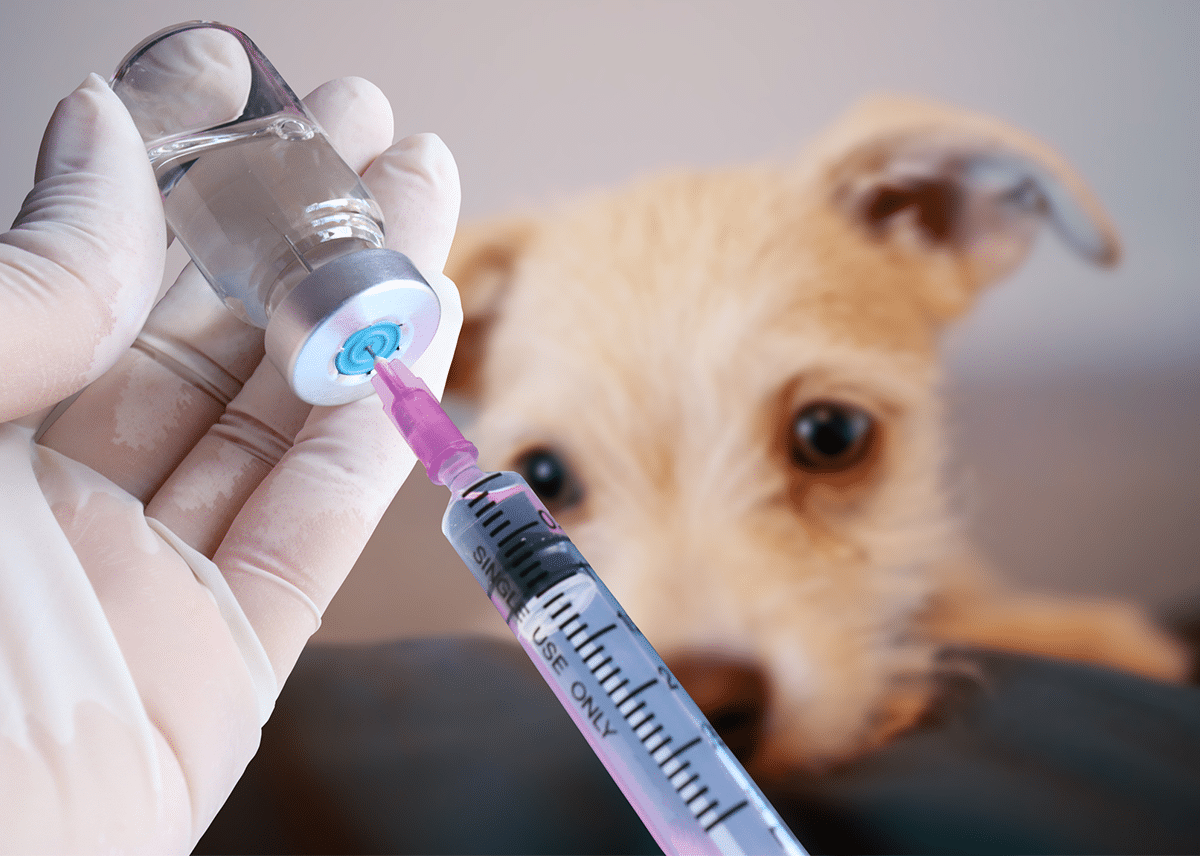
Despite the availability of highly effective vaccines, canine parvovirus continues to appear in both first-opinion practices and referral hospitals, often with devastating consequences. Mortality rates can approach 90% without treatment, yet with prompt, aggressive care, survival improves to 80% to 95%.
In many practices, that difference comes down to vaccine compliance, early recognition and how well prepared the team is when a suspected case walks through the door.
“Locally, we continue to see parvovirus cases with a clear seasonal uptick, particularly in late spring through fall, summer being the most, and a large number of cases in under-vaccinated puppies and recently adopted shelter dogs,” said Dr. Veronica Villanueva, medical director at VEG ER for Pets in Anaheim Hills, California. “Periodic clusters have reinforced how quickly parvo can spread in the community.”
That experience has pushed her team to become “more proactive rather than reactive,” emphasizing earlier vaccination starts when appropriate, strict adherence to booster schedules and rigorous isolation and environmental disinfection.
Strengthening prevention
Veterinarians say prevention remains the most powerful tool, but prevention requires more than simply stocking vaccines. It demands strong client communication, reliable diagnostics, effective disinfectants, isolation protocols and access to evolving therapies. Increasingly, manufacturer and distributor representatives are helping clinics strengthen each of those areas.
At Texas A&M University’s College of Veterinary Medicine and Biomedical Sciences, Lori M. Teller, DVM, noted prevention messaging is constant.
“Puppies need a series of vaccines to prevent parvovirus,” she said. “When they come in for their exam, we discuss parvovirus and how serious of a disease it is, and then discuss the vaccination and how effective it is at preventing disease.”
Yet vaccine hesitancy — a growing spillover from human healthcare — complicates compliance.
“The biggest challenges right now come from the increased amount of vaccine hesitancy,” Dr. Teller said. “Parvovirus continues to be such a highly contagious disease, and it is so easy to prevent with a very safe and well-proven vaccine.”
Dr. Villanueva noted misinformation, cost concerns and missed boosters are all common obstacles. Her clinic relies on “consistent, empathetic education rather than fear-based messaging,” along with bundled puppy plans and reminder systems.
“Aligning the entire team from reception to technicians to reinforce the same message has significantly improved compliance,” she said.
Industry representatives often support those efforts by reinforcing evidence-based protocols and providing client-facing tools.
“Prevention begins with reinforcing evidence-based vaccination protocols and using sound science to thoughtfully address common misconceptions around vaccine safety,” said Amanda Nascimento, DVM, MVSc., PhD at NHV Natural Pet. “Friendly, accessible tools such as educational materials, social media content and client handouts can be incredibly effective.”
Julie Hunt, DVM, MS, of Embrace Pet Insurance added that reps can assist by delivering best-practice guidance and CE programming, including how products interact with maternal antibodies and how protocols may need adjustment in high-risk puppies. Additionally, lunch-and-learn sessions and remote education rounds can strengthen staff confidence.
Some clinicians are also turning to antibody testing as a compliance and trust-building tool.
“Protective antibody thresholds have been proven,” said Dr. Laurie J. Larson of the CAVIDS Titer Testing Laboratory at the University of Wisconsin-Madison. She urges practices to “Check Your Work” by testing puppies two weeks after their final modified-live vaccine dose to ensure immunization occurred. “Offering the option to test antibody can truly improve client trust around vaccines.”
Preparedness when a case walks in
When prevention fails, preparedness determines outcomes. Parvo’s environmental persistence and rapid progression demand swift action.
“Parvovirus is notoriously difficult to eliminate from contaminated spaces,” Dr. Villanueva said, noting the value of guidance on effective virucidal disinfectants and environmental control.
“Reps have provided diagnostic training on proper SNAP testing and interpretation, as well as education on repeat testing protocols,” she said.
Matthew Murdoch, DVM, founder of Ferndale Kennels and Travel Pet Relocation Services, emphasized that not all disinfectants are effective.
“Reps can provide up-to-date guidance on virucidal disinfectants effective against parvovirus, while also reinforcing vaccination guidelines and supporting reminder systems,” he said. “A lot of parvo control is about education and consistency and environmental hygiene. Reps who see themselves as clinical partners not just suppliers can really help the team.”
Isolation is another critical piece. Dr. Hunt suggested reps can supply instructional posters, isolation signage and training on donning and doffing PPE to reduce in-clinic spread. Continuing education on fluid therapy, CRI calculations, blood products and enteral feeding can also enhance treatment readiness for complicated cases.
Access to diagnostics and therapeutics is equally important. Dr. Villanueva noted support around inventory management during high-risk seasons and awareness of new tools, including the recently released monoclonal antibody treatment designed to prevent viral attachment to intestinal cells.
“This has been a game changer for a better prognosis for survival,” she said.
Dr. Larson agrees that the availability of monoclonal antibody products for susceptible puppies, particularly those affected by maternally derived antibody interference, is important.
“Understanding how modified-live vaccines function and when antibody blocks infection is critical for effective use,” she said.
Beyond products, emotional support and logistics matter. Parvo cases are often intensive, prolonged and emotionally draining for staff. Murdoch notes ensuring reliable access to fluids, medications and up-to-date treatment protocols can reduce stress.
Reps also provide assistance in rare vaccine reactions or breakthrough cases. Dr. Teller noted that in her 35-year career she has seen only a handful of reactions, but when they occur, “our reps help us navigate treating our patient, so that it can recover and have a positive outcome.”
Client communication remains central even after diagnosis. Pre-prepared take-home materials on home disinfection, yard sanitation and protecting other dogs can reduce secondary spread.
Dr. Villanueva recalled a time when rep-provided education materials and staff training improved her team’s ability to explain isolation and vaccination gaps to a worried owner.
“It reinforced the importance of preparedness before and not during a crisis,” she said.
The road ahead
Looking ahead, veterinarians emphasize continued innovation and streamlined tools as the keys to success as customizable digital resources, improved vaccine technology, enhanced surveillance updates and practical CE focused on infectious disease management could further strengthen preparedness.
“Overall, collaboration between clinics and reps remains a key component in protecting puppies and communities from this preventable but still devastating disease,” Dr. Villanueva said.
In a condition where survival hinges on timing, compliance and preparation, that partnership can mean the difference between crisis and control.
Speed saves lives: Mortality can reach 90% without treatment, but early detection and aggressive care boost survival rates to as high as 80% to 95%, making team readiness and rapid response critical.
Preparation is a practice-wide effort: From isolation protocols and effective disinfectants to staff training and client education, outcomes depend on how well the entire clinic is equipped before a case arrives.
Photo Credit:
istockphoto.com/Thanakorn Piadaeng
Streamlining Vaccine Verification for Veterinary Clinics
by Graham Garrison
How one company is working to reduce administrative burden, boost preventive care, and keep pets up to date with real-time compliance checks.

As veterinary practices face mounting administrative demands, one area continues to create daily friction: vaccine verification. For VetVerifi, the problem wasn’t a lack of record-keeping tools — it was accessibility.
“Our initial observation wasn’t that veterinary clinics lacked tools to manage their records — it was that those records weren’t easily accessible when they were needed most,” said David Servodidio, CEO and co-founder of VetVerifi.
According to Servodidio, clinics are inundated with manual requests from pet resorts, groomers, daycares, housing providers and pet owners seeking proof of vaccination. “Every day, veterinary teams field calls and emails from pet resorts, groomers, daycares, housing providers, and pet owners asking for vaccine verification. It’s manual. It’s repetitive. It pulls CSRs and technicians away from patient care. And in many cases, it creates friction for pet owners who need proof of compliance for boarding, daycare, or travel.”
While practices rely on robust practice information management systems (PIMS) and communication tools to store clinical data, Servodidio noted that the industry lacked “a standardized, trusted, automated way to verify vaccination status across systems.”
“The biggest challenge we set out to solve was this: How do we remove the repetitive administrative burden from clinics while still protecting the integrity of the medical record?” he said. “VetVerifi was built to solve that — to create a secure, real-time verification layer between veterinary practices and the broader pet care ecosystem.”
Servodidio describes VetVerifi as “a trusted bridge between veterinary clinics and pet service providers.” When a pet owner books boarding or daycare, the facility submits a verification request through the platform rather than calling the clinic or requesting emailed PDFs. If a clinic uses a compatible system, verification can be automated; if not, VetVerifi supports secure digital workflows that replace back-and-forth emails and voicemails.
“But here’s the key: We don’t move medical records around loosely. We verify status and authenticity. That protects the clinic. That protects the pet owner. And that maintains data integrity,” Servodidio said.
He emphasized that while pet service providers and owners benefit, the model is designed with clinics first in mind. Practices see fewer inbound record requests, fewer interruptions, less staff time spent on administrative tasks, and greater visibility into overdue vaccines triggered by real-world demand.
“Pet service providers benefit. Pet owners benefit. But the system only works when clinics win first.”
An urgency to preventive care
Beyond simplifying verification, VetVerifi wants to drive tangible improvements in pet health. Servodidio explained that many pets are “just slightly overdue — not because owners didn’t care, but because there wasn’t urgency.” The verification process creates that urgency. “The moment a pet owner books a boarding reservation and realizes their reservation is at risk of being cancelled because a required vaccine is missing or expired, behavior changes. They call the clinic. They book the appointment.”
According to Servodidio, thousands of pets have received timely vaccinations because of VetVerifi-driven verification requests. “We’ve seen thousands of instances where verification demand directly led to a vaccine update within days,” he said. In 2025 alone, the platform conducted verifications across thousands of clinics nationwide, performing real-time compliance checks before pets entered communal environments — a process that benefits both public health and clinic operations. “Better data flow doesn’t just reduce friction — it drives preventive care forward,” Servodidio noted.
Creating a preventive infrastructure
Looking ahead, Servodidio sees VetVerifi becoming an essential part of veterinary infrastructure. “I believe verification will become core infrastructure in veterinary medicine,” he said. Over the next three to five years, the company is focused on deepening network participation across PIMS and client communication platforms, expanding nationwide coverage so no clinic is left out, enhancing predictive care alerts tied to real-world demand, and strengthening collaborations between veterinary clinics and the broader pet services economy.
“The pet industry is growing rapidly. Boarding, daycare, housing requirements — they’re not slowing down. Clinics shouldn’t feel overwhelmed by that growth. They should benefit from it,” Servodidio said. “Our goal is to ensure veterinary practices are positioned at the center of that ecosystem — not buried underneath its administrative weight.”
As veterinary medicine becomes increasingly interconnected, he believes data and verification tools will evolve from “nice-to-have” utilities into foundational infrastructure. “Pet owners expect seamless experiences. Pet service providers expect compliance. Regulators expect documentation. Clinics are expected to handle it all. Verification tools will evolve from ‘nice-to-have’ utilities into foundational infrastructure — quietly running in the background, reducing friction, improving security, and protecting clinic time,” Servodidio said.
He likens this shift to the inevitability of interoperability in other industries. “The question isn’t whether verification becomes standard. It’s whether clinics are empowered by it — or burdened by it. We’re building VetVerifi so it’s the former.”
The platform’s care coordination engine, SCOUT, also identifies revenue opportunities by alerting clinics when pets are overdue for vaccines tied to real-world needs such as boarding or daycare. “It’s rare in veterinary medicine to find a workflow improvement that both reduces workload and drives incremental revenue. That alignment is what excites me most,” Servodidio said.
Photo Credit:
istockphoto.com/Ugur Karakoc
Modern Approaches to Canine Respiratory Protection
By Graham Garrison
Canine infectious respiratory disease is complex — and so is prevention.
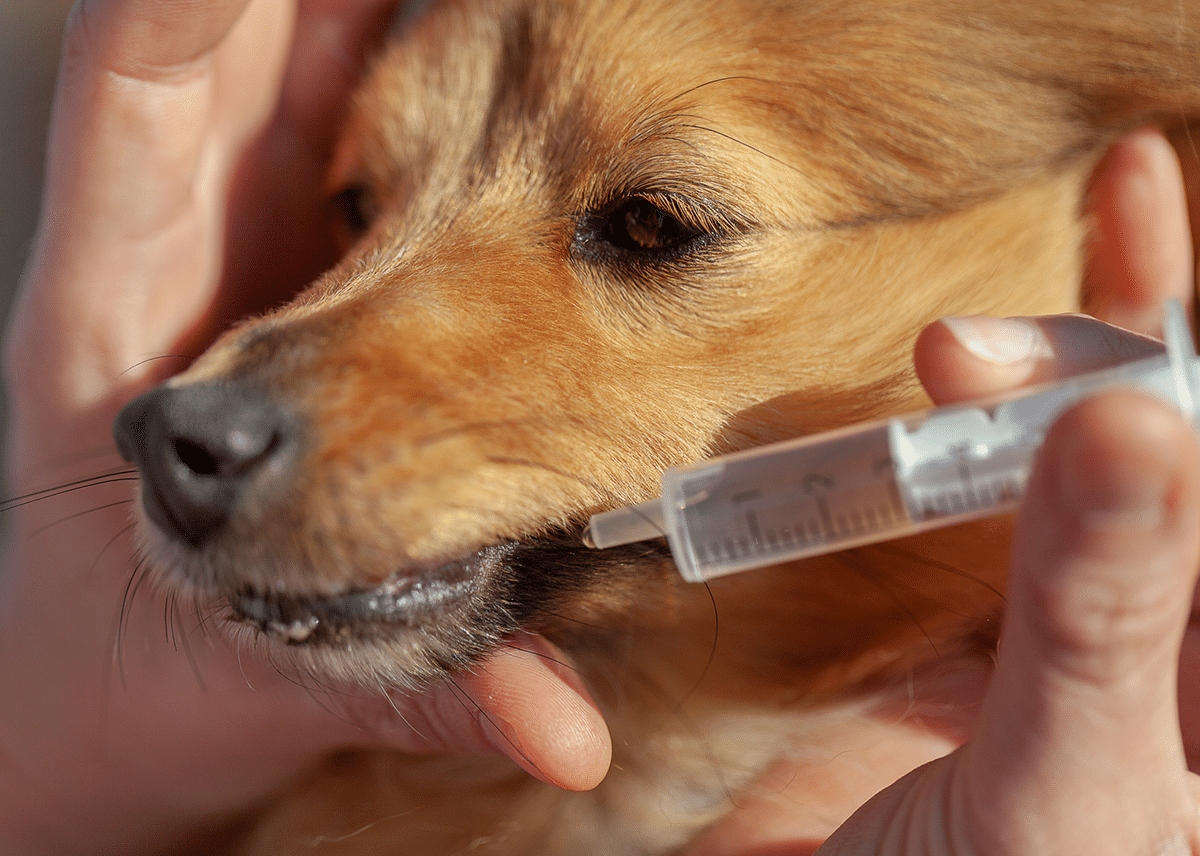
Bordetella — often called the “kennel cough vaccine” — is one of those topics that can be deceptively simple. Many pet owners, and even some veterinarians, still think of Bordetella as synonymous with a single, well-defined disease. In reality, what is commonly called “kennel cough” is a complex respiratory illness known as canine infectious respiratory disease complex (CIRDC), involving multiple pathogens that can infect dogs simultaneously.
Dr. Kristine Smith, associate director of core brands, Petcare Medical Affairs at Zoetis, explains that while Bordetella bronchiseptica has long been recognized as a major culprit, the disease landscape is broader — and the risks more nuanced — than many realize. With the rise of doggy daycares, boarding facilities and social pet lifestyles, exposure to respiratory pathogens is evolving, making a flexible, risk-based vaccination approach more important than ever.
In the following interview with Vet-Advantage, Dr. Smith shared insights on modern Bordetella epidemiology, immunology and best practices for tailoring vaccination protocols to the lifestyle and risk of each dog, helping veterinarians — and pet owners — navigate what “kennel cough protection” really means today.
Bordetella is often viewed as a “kennel cough vaccine.” What misconceptions do you still see among pet owners — and even within the profession — about the disease and its risks?
Dr. Smith: A common misconception, even perhaps among some veterinarians, is that “kennel cough” is a well-defined disease with a single causative agent. In reality, what many of us refer to as “kennel cough” is more accurately described as canine infectious respiratory disease complex, or CIRDC. CIRDC is often just as it sounds — a complex interaction of multiple infectious pathogens causing respiratory disease in the dog. So co-infections are common, and it can be hard to diagnose which pathogens are the main causes of symptoms, which are present but less pathogenic, and which might just be commensal or incidental. Bordetella bronchiseptica (Bb) has traditionally been one of the main pathogens identified in symptomatic CIRDC cases and is highly contagious, both through direct and indirect transmission. Because of this risk and ease of transmission, veterinarians have customarily urged pet owners to vaccinate their dogs before boarding them — and many kennel businesses now require this to avoid shut-downs due to outbreaks. So many pet owners simply think of “kennel cough” and Bordetella as synonymous. But it’s more complicated than that.
How has the epidemiology of Bordetella changed in recent years? Are you seeing shifts in exposure risk due to daycare, boarding, travel or social pet lifestyles?
Dr. Smith: First, it is important for us to remember that not all cases of Bb are identified. Many times dogs can be infected but not symptomatic, or only show mild, transient signs and thus never be diagnosed. So often Bb infections are going undetected, which makes tracking epidemiological trends difficult.
However, there is no doubt that the lifestyles of dogs are changing. While here in the U.S. we may see less stray or off-leash dogs than we did many decades ago, we now have more doggy day-cares, groomers and dog parks. Further, as veterinary medical advancements are made, we are increasingly able to diagnose cases of CIRDC and the causative agents. So, while it might seem (or in fact be) that there are more pathogens at play now or more outbreaks, the driving factors are the same — comingling of unvaccinated dogs and the level of recognition and diagnostic approach during outbreaks.

Where does Bordetella fit into a modern, risk-based vaccination protocol? Should we be thinking about it differently than we did 10 years ago?
Dr. Smith: As I mentioned, more recent diagnostic approaches and surveillance studies have identified several pathogens that can contribute to CIRDC outbreaks. These include but are not limited to canine respiratory coronavirus, canine pneumovirus, canine adenovirus, parainfluenza virus, and Mycoplasma cynos. Unfortunately, we don’t have vaccines against all these pathogens, however, not all pathogens involved in CIRDC are main causes of disease symptoms. Because Bb can cause significant clinical signs and is highly transmissible, and we have very effective vaccines against this bacteria, it’s still recommended to vaccinate dogs who might be exposed. Although the vaccine is not considered “core”, it is still often indicated due to a risk-based lifestyle of not just boarding, but groomer, dog park, and even veterinary clinic visits, or even dog-dog social interactions on daily walks.
From a practice operations standpoint, how can offering multiple delivery options improve workflow and client satisfaction?
Dr. Smith: Operationally, having intranasal, oral and injectable options lets a clinic match the administration route to the patient. Many veterinarians and technicians prefer an oral vaccination as some dogs may accept this easier, others prefer intranasal due to the quick onset of immunity and availability of trivalent vaccines that help protect against parainfluenza and canine adenovirus along with Bb. Yet some may reach for an injectable option for dogs that are head shy or are immunocompromised or live with immunocompromised people in their household, given the injectable vaccine is a recombinant killed subunit vaccine vs. the modified live mucosal vaccines.
If you were advising a busy general practice that wants to standardize its Bordetella protocol, what key factors should guide their decision-making?
Dr. Smith: The American Animal Hospital Association (AAHA) recommends annual vaccination for optimal protection against Bordetella bronchiseptica. Keeping your canine patients’ vaccination status current helps to reduce the chance of them becoming ill if exposed, lowers the risk of severe disease, and/or spreading infection to other dogs leading to an outbreak.
Protocols are not always a one-size-fits all, and luckily practices have options here. I would suggest practices base their protocols on individual patient risk and handling factors. Patient risk includes not only how often they are exposed to other dogs, but whether they are overdue for vaccination and time to their next exposure (i.e., do they need protection right away?). Practices should ideally not wait until an owner requests vaccination right before boarding, as there may not be enough time for immunity to peak. Further, Most dogs infected with CIRDC are contagious before they start showing symptoms, leading to fast moving outbreaks — so a response only vaccination strategy is also unlikely to be effective.
Regarding handling, does the pet accept oral or intranasal vaccines well? Do they respond better to a quick injectable vaccination in the back leg versus an intranasal liquid or oral spray? For these reasons, it’s important to stay flexible and have at least a couple of options to reach for so all dogs that deserve protection can receive it.
Injectable vaccines generate a systemic antibody response but require a longer onset and, often, a two-dose series. Injectable options, like Zoetis’ Vanguard® Recombishield™, are ideal for puppies, head-shy dogs, or immunocompromised pets.
Photo credit:
istockphoto.com/huettenhoelscher
istockphoto.com/satura86
References:
- American Animal Hospital Association. 2022 AAHA canine vaccination guidelines. aaha.org/resources/2022-aaha-canine-vaccination-guidelines
- Lappin MR, et al. Canine infectious respiratory disease. Vet Clin North Am Small Anim Pract. 2017;47(6):1133-1150.
ncbi.nlm.nih.gov/pmc/articles/PMC7132485 - Scott-Garrard M, et al. Comparative onset of immunity of oral and intranasal vaccines against challenge with Bordetella bronchiseptica. Vet Rec Open. 2018;5(1):e000302. ncbi.nlm.nih.gov/pmc/articles/PMC6109801
- Squires RA, et al.; WSAVA Vaccination Guidelines Group. 2024 guidelines for the vaccination of dogs and cats. J Small Anim Pract. 2024;65(3):137-152. onlinelibrary.wiley.com/doi/10.1111/jsap.13718
- [Author(s) not listed]. Zoonotic transmission of vaccine-derived Bordetella bronchiseptica: a case report. Open Forum Infect Dis. 2023;10(6):ofad123. ncbi.nlm.nih.gov/pmc/articles/PMC10466264
- Mitchell JA, et al. Aetiology of canine infectious respiratory disease complex and prevalence of its pathogens in Europe. Transbound Emerg Dis. 2017;64(6):1750-1760. ncbi.nlm.nih.gov/pmc/articles/PMC7103302
- Vientós-Plotts AI, et al. Risk factors for canine infectious respiratory disease complex and the pathogens associated with the disease. Can Vet J. 2024;65(2):150-159. pubmed.ncbi.nlm.nih.gov/39494180