


Pets Pack Their Bags
How pet humanization is transforming travel and boarding expectations as owners treat pets like family.
The humanization of pets continues to reshape how U.S. pet owners make decisions about travel, separation and care outside the home. As dogs and cats are increasingly viewed as full family members, expectations around boarding, travel accommodations and short-term care have evolved well beyond basic kenneling. Veterinary professionals and boarding operators are reporting a clear shift toward higher-touch services, especially as owners look for reassurance while they are away.
This shift is most visible in how pet owners approach travel planning and temporary care, where convenience alone is no longer enough. Instead, emotional comfort, medical confidence and real-time visibility are becoming central decision factors.
As families gear up for the summer travel season, the following are ways that “pet humanization” is showing up in pet care and veterinary services.
Upscale boarding expands into “pet hospitality”
Traditional boarding is rapidly giving way to hospitality-driven models that mirror human hotel experiences. Facilities are increasingly offering enrichment programming, individualized care routines, and premium add-ons designed to reduce stress and increase engagement while owners are away.
For example, a growing number of boarding facilities now provide “day in the life” updates via video or app-based reporting, allowing owners to watch feeding, playtime, and rest periods in real time. Some even offer themed enrichment days — such as agility play sessions or sensory stimulation activities — for dogs that require higher levels of mental engagement.
Dogtopia’s live webcam service is designed to give pet parents real-time visibility into their dog’s daycare experience. Every playroom in its facilities is equipped with HD webcams that stream live footage during open-play hours, allowing owners to check in on their pets from any internet-connected device through the Dogtopia app or website. The goal is to reduce separation anxiety for both pets and owners by offering a “fly-on-the-wall” view of dogs socializing, exercising, and interacting with trained staff throughout the day. Access is private and limited to enrolled pet parents, and the cameras typically operate when the lights are on, pausing during naptime and overnight rest periods.
How does this look? A senior dog with arthritis and daily injectable medication may be boarded directly at a veterinary clinic rather than a commercial kennel, allowing staff to monitor mobility, adjust pain management as needed and respond immediately to any changes in condition during the owner’s travel period.
Pre-travel exams
As summer travel ramps up, veterinary clinics across the U.S. are seeing a familiar but growing seasonal pattern: increased demand for pre-travel exams and health certificates. While often framed as a logistical requirement for boarding or travel compliance, these visits have become a key entry point for preventive care conversations, vaccine updates and parasite protection planning.
Pre-travel exams are typically designed to confirm that pets are healthy enough for travel and meet destination-specific requirements. Depending on the trip, they may also involve issuance of a Certificate of Veterinary Inspection (CVI), rabies verification and documentation required by airlines, states, or international authorities. For many clinics, these visits are also an opportunity to review broader wellness needs before pets are placed in boarding environments or exposed to new geographies.
A standard pre-travel appointment often covers:
- Full physical examination to assess fitness for travel
- Verification and updating of core vaccines (especially rabies,
DA2PP, FVRCP) - Parasite prevention review (fleas, ticks, heartworm,
intestinal parasites) - Issuance of a health certificate (CVI)
when required - Microchip verification and documentation (especially for international travel)
- Review of airline, state, or destination-specific requirements
For international travel, veterinarians may also coordinate USDA-endorsed paperwork and ensure compliance with strict timing rules that can require documentation within days of departure.
Pet-friendly travel infrastructure expands
The broader travel industry is adapting to meet pet owners where they are, with airlines, hotels and short-term rentals increasingly accommodating companion animals. However, the more notable shift is how owners themselves are choosing destinations and travel styles based on pet inclusion, rather than treating pet care as an afterthought.
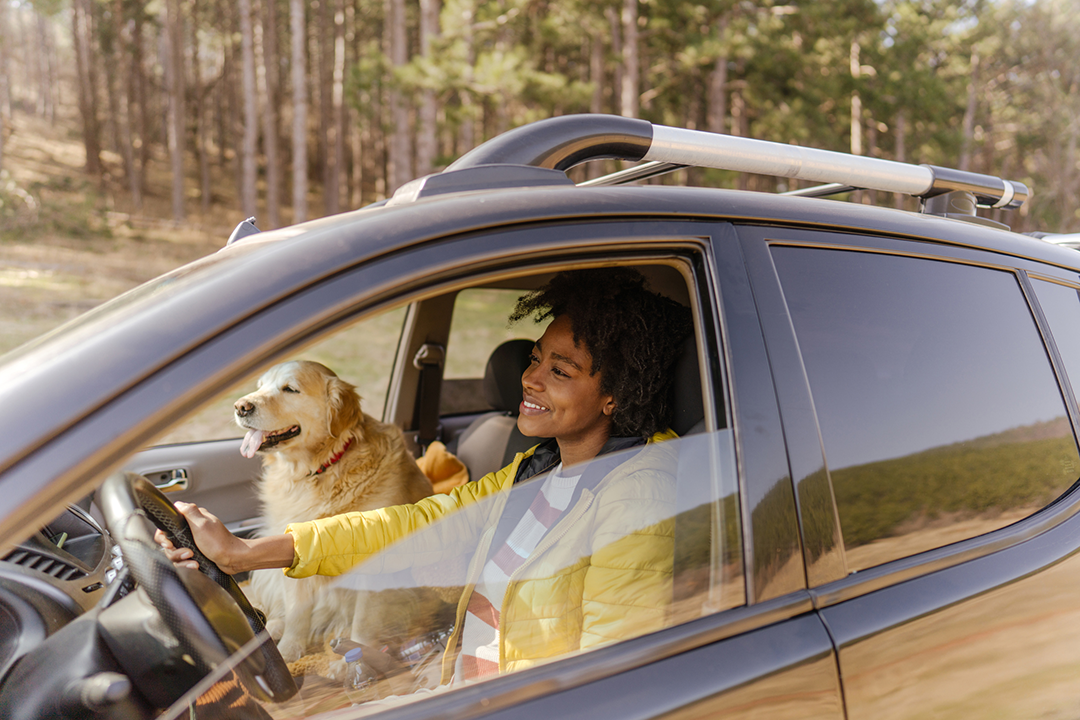
For example, a family planning a summer vacation may select a hotel brand specifically because it offers pet amenities such as welcome kits, designated pet relief areas and in-room pet dining options. In some cases, owners are even adjusting travel dates or driving instead of flying to avoid separating from pets or to reduce travel stress for the animal.
Hilton’s pet-friendly program is designed to make travel easier for guests who want to bring their dogs or cats along, with more than 5,000 participating hotels across the U.S. and Canada. Through its dedicated pet-friendly booking page, Hilton highlights participating brands and properties that welcome animals, often with amenities like pet beds, bowls, treats and designated outdoor relief areas, though specific rules and fees vary by location. The company emphasizes the idea that “pets are family,” encouraging travelers to plan vacations without needing to leave their companions behind, whether for quick stays or extended trips. While policies differ by hotel, many Hilton properties set reasonable size limits and charge a per-stay or nightly pet fee, making it important for guests to confirm details before booking
Putting it all together
As pet humanization deepens, boarding and travel services are evolving into an extension of the veterinary care ecosystem and hospitality industry.
For veterinary professionals, this trend is increasingly relevant — not only in clinical care decisions, but also in client communication, referral relationships with boarding providers and opportunities for integrated service offerings.
Photo Credits:
istockphoto.com/ArtistGNDphotography
istockphoto.com/Antonio_Diaz
The Rise of the Pet-Centered Vacation
How much do we factor pets into our travel plans? Let’s count the ways.

53 minutes
A 2025 survey of 2,000 dog owners found that pet parents start missing their dogs just 53 minutes after leaving for a trip, with 42% saying the best part of traveling is coming home to their pup, the New York Post reported. The study also revealed that 40% of owners constantly worry about their dog while away, and many even check in through phone or video calls with pet sitters.
60%
A Hilton 2026 Trends Report shows pets are becoming a major factor in how consumers plan vacations, choose accommodations and budget for travel. According to the report, 64% of pet owners globally say they prioritize their pet’s needs over their own when booking a trip, while more than half of German pet owners surveyed said they enjoy traveling more when their pets can come along. The report also found that 60% of travelers now include pet-care costs in their travel budgets and 66% adjust travel dates based on pet-care availability.
1,000 Pet Owners
A 2021 survey from Motel 6 and G6 of 1,000 pet owners found that 75% indicated they enjoy traveling with their animals. Road trips were especially popular, with 39% of respondents saying their next pet-friendly trip would be by car. At the same time, travelers cited challenges around pet-friendly accommodations, with 44% saying finding suitable lodging is the biggest hurdle and 65% believing hotels should not charge extra pet fees.
Photo Credits:
istockphoto.com/Fusion Dezigns
istockphoto.com/baona
istockphoto.com/ItalianFoodProduction
Where Pet Care Services Are Headed Next
Ten things to know about pet care services trends in 2026 and beyond.
The pet care services industry has undergone rapid transformation in recent years — driven by shifting consumer expectations, pandemic-era innovation and a growing intersection with veterinary medicine. Insights from Carmen Rustenbeck, founder and CEO of the International Boarding and Pet Services Association (IBPSA), highlight where the industry is headed next.
1. The pandemic permanently reshaped service delivery
The industry’s pivot in 2020 created lasting change. As Rustenbeck explained, “During 2020, the pet care industry pivoted to provide services via the internet or adjusted services as each state or nation adjusted contact requirements.”
That shift introduced new offerings that continue today, including “online dog training via Zoom and delivery of enrichment toys to pet homes.”
2. Enrichment — not just supervision — is now expected
Basic care is no longer enough for today’s pet owners. Rustenbeck said, “Coming out of 2020, enrichment daycare has been the most impactful for the industry.”
Today’s clients expect more: “The pet parent wants to know that their pet is being kept not only safe and fed but also socialized and mentally stimulated.”
3. Health and sanitation standards are rising
Facilities are doubling down on disease prevention. “We also have seen a big push in cleaning standards in an effort to keep infectious disease at bay,” Rustenbeck said, including investments in advanced air purification technologies.
4. New service models are emerging — and blurring industry lines
Innovation is coming from within the pet services sector itself. Rustenbeck pointed to new ventures from respected daycare owners such as Best Friends Fur Ever (BFFE) with its opening of Assisted Canine Care Plus.
At the same time, tools like IBPSA’s OraStrip are introducing early health detection into non-veterinary settings — creating new touchpoints between service providers and clinics.
5. Veterinary and pet service collaboration is accelerating
The historical divide between veterinary medicine and pet services is narrowing. Rustenbeck said, “The pet boarding and daycare industry is really looking for ways to provide services that do intercept with the veterinarian world.”
This trend signals a more integrated model of care.
6. Local partnerships are becoming essential
Stronger communication between providers is critical at the community level. “It is imperative that veterinarians and non-medical pet care service providers discuss current infectious diseases in their areas,” Rustenbeck said, along with protocols and shared concerns.
The goal: “a holistic approach to pet care.”
7. Collaboration improves both prevention and diagnosis
Working together can directly impact pet health outcomes. Rustenbeck offers a practical example: “If we know that there is an outbreak of dog flu in the community and together the veterinarians and the pet care services providers educate their clients, then the exposure rate decreases.”
She adds that behavioral concerns also benefit from joint insight, where issues “might be medical or could be social or both.”
8. Pet care providers are becoming frontline observers
Boarding and daycare facilities are playing a growing role in early detection. “During an intake of a pet, facilities provide a snout to tail examination of the pet,” Rustenbeck explains.
These touchpoints often lead to referrals: “During these examinations we find health issues that then can be referred over to a veterinarian.”
This is also reshaping client relationships, as “we become the trusted advisor on the referral to the veterinarian.”
9. Integration is extending into business models
The convergence isn’t just clinical — it’s structural. Rustenbeck said, “We are seeing that veterinarians are looking to add a new vertical to their businesses by added a boarding/daycare facility.”
At the same time, service providers are proactively aligning with veterinary partners to ensure continuity of care.
10. Rising costs and consumer pressure are testing sustainability
Despite growth, the business environment is challenging. “Payroll is the biggest challenge,” Rustenbeck said, citing rising wages and tightening margins.
At the same time, demand is sensitive to economic conditions: “During economic challenges in our nation, people have less disposable income and they cut back on pet care services.”
The result is a difficult equation where “scaling an operation is almost an impossible task is some parts of our nation.”
Through education, certification programs, business resources, and industry advocacy, IBPSA helps pet care professionals operate more effectively and consistently. The organization also plays a key role in developing best practices, monitoring legislation, and fostering collaboration across the broader animal health ecosystem.
At its core, IBPSA’s mission is to “foster excellence and promote the highest standards” in pet care services by uniting professionals, supporting business growth, and ensuring the safety and well-being of pets worldwide.
Image Credits:
istockphoto.com/Akarawut Lohacharoenvanich
istockphoto.com/Olga Ovcharenko
Designing Certainty in Pet Travel
As pets are increasingly treated like family, Lauren Anders Brown is building infrastructure to match changing expectations and reduce clinical risk at the source.
Lauren Anders Brown didn’t set out to reinvent pet travel — she set out to fix a problem she experienced firsthand. After successfully navigating dozens of trips with her dog, one journey went differently. A paperwork issue — something many pet owners don’t think twice about — resulted in her dog being taken from her.
That moment exposed a critical gap in the system: even experienced travelers can face devastating consequences if a single detail is overlooked.
“It forced me to look at where risk actually lives — not where we assume it does,” she said.
From the outside, pet travel looks like a logistics problem. In reality, it’s a trust problem, Brown said. Veterinarians are being asked to certify international compliance based on information that’s fragmented, sometimes outdated, and often inconsistent across airlines and borders. Yet their signature is treated as the single point of truth.
“That’s a structural imbalance,” she said.
What became clear, Brown said, is that responsibility is distributed across multiple parties, but accountability ultimately lands in the clinic. And that only works if the clinic is operating with complete, accurate, real-time information — which is rarely the case.
“PadsPass is really about correcting that imbalance,” she said. “If a veterinarian is the one anchoring the process, then they need tools that reflect the full complexity of the system in real time. Otherwise, we’re asking for certainty from a process that isn’t built to provide it.”
That’s where PadsPass comes in. The platform is designed to simplify one of the most stressful parts of traveling with pets: managing complex and constantly changing documentation requirements. After creating a profile, users enter key details about their pet, including breed, weight, microchip information and veterinary records. PadsPass then compiles this information into a secure, centralized digital profile — often referred to as a Digital Pet Passport.
From there, the system builds a customized travel plan based on the
specific trip. Users select their destination and flight, and PadsPass identifies the exact requirements for that route, including vaccinations, health certificates, import permits and airline-specific rules. It then generates a step-by-step checklist with clear deadlines, helping pet owners and veterinary teams track what’s complete and what still needs attention before travel.
For Brown, the core problem PadsPass is addressing goes deeper than just paperwork or user stress.
“If you trace everything back far enough, it comes down to regulatory fragmentation,” she said. “Paperwork inefficiency is visible. Pet parent stress is visible. But those are symptoms. The underlying issue is that international pet travel operates without a single, reliable source of truth.”
At the center of fragmentation
Veterinary clinics, she explained, sit at the center of a fragmented international pet travel system. They are expected to make sense of overlapping and sometimes conflicting requirements from countries, airlines and timing rules — often within the constraints of a brief appointment and an imminent travel deadline.
“They’re expected to interpret country-level regulations, airline policies and timing constraints by cross-referencing multiple sources that don’t always agree,” Brown said. “That’s not a workflow. That’s risk exposure.”
For Brown, the turning point came when she stopped looking at the journey from the pet parent’s perspective and started mapping it from the system’s perspective. What emerged was a clear structural pattern: every critical checkpoint in international pet travel — vaccinations, parasite treatments, microchip validation and certification timing — ultimately runs through the veterinary clinic. It is the one point where clinical data, regulatory requirements and time-sensitive travel rules all converge.
And yet, she noted, clinics are expected to manage that convergence without purpose-built infrastructure to support it.
“In practice, most clinics are managing international compliance with tools designed for scheduling and record-keeping,” Brown said. “That gap is where the opportunity sits.”
PadsPass, she explained, is designed to close that gap by removing the burden of interpretation and making the veterinarian’s role more structured and standardized across the broader travel ecosystem. Instead of asking veterinarians to piece together fragmented rules, the platform consolidates requirements into a verifiable format tailored to each specific journey.
“Instead of asking a vet to interpret the system, we present the system in a way that’s already been resolved for that specific journey,” she said. “That shift — from interpretation to verification — is where the real value sits.”
Rather than treating documentation as a static output, the platform structures each certificate, timestamps key actions and ties everything to a defined compliance pathway.
“Right now, we focus on making sure clinics have clarity before they even begin the process,” she said. “That alone removes a significant amount of friction — fewer errors, fewer last-minute corrections, fewer situations where an animal is turned away at check-in because something small — but critical — was missed.”
In the longer term, she envisions a more interconnected model, where veterinary certification becomes a trusted standard recognized across the entire travel ecosystem — without constant reinterpretation by each party.
“Airlines and governments, today, are downstream consumers of that documentation,” Brown said. “The goal is for veterinary certification to function as a recognized standard — something pet parents, airlines, and regulators can rely on without reinterpreting or second-guessing it.”
“If that works,” she added, “you move from a system based on scrutiny to one based on trust. And that shift changes how responsibility is shared across the entire journey.”
The future of pet travel
As pets are increasingly viewed as family members, Brown said, expectations around travel are shifting in fundamental ways — and so is the role of the veterinarian.
“When a pet is treated as a family member, the expectation isn’t just competence — it’s certainty,” she said. “Pet parents want to feel that the person advising them has full command of a situation that, in reality, is complex and constantly shifting.”
The challenge, she added, is that the underlying system has not evolved at the same pace as those expectations. Clinics are often placed in the position of delivering absolute reassurance in an environment defined by fragmented rules and variable requirements. When something goes wrong — often at a border or check-in counter — the emotional and reputational impact lands quickly, and frequently on the veterinary team.
“What PadsPass does is help close that gap,” Brown said. “It allows clinics to move from giving best-effort guidance to providing structured, defensible answers. That distinction matters.”
“In many cases, they’ve done just enough research to know it’s complicated, but not enough to feel confident they’ve got it right.”
What they’re really seeking is validation that their information is accurate, current, and specific to their situation — not just generally true. That shifts pressure onto the clinic, where broad reassurance is often no longer enough.
“This should be fine doesn’t hold much weight with this group anymore,” she noted.
Platforms like PadsPass help veterinarians respond by providing a structured, transparent record of compliance. Instead of relying on verbal reassurance, clinics can point to documented requirements, timelines and completed steps tied to specific regulations — building trust through clarity and verification rather than interpretation.
Photos courtesy of PadsPass.