


Rethinking Feline Care From the Cat’s Perspective
CatsOnly is building a scalable veterinary model designed around feline behavior, preventive medicine and emotional well-being for cats and the people who care for them.
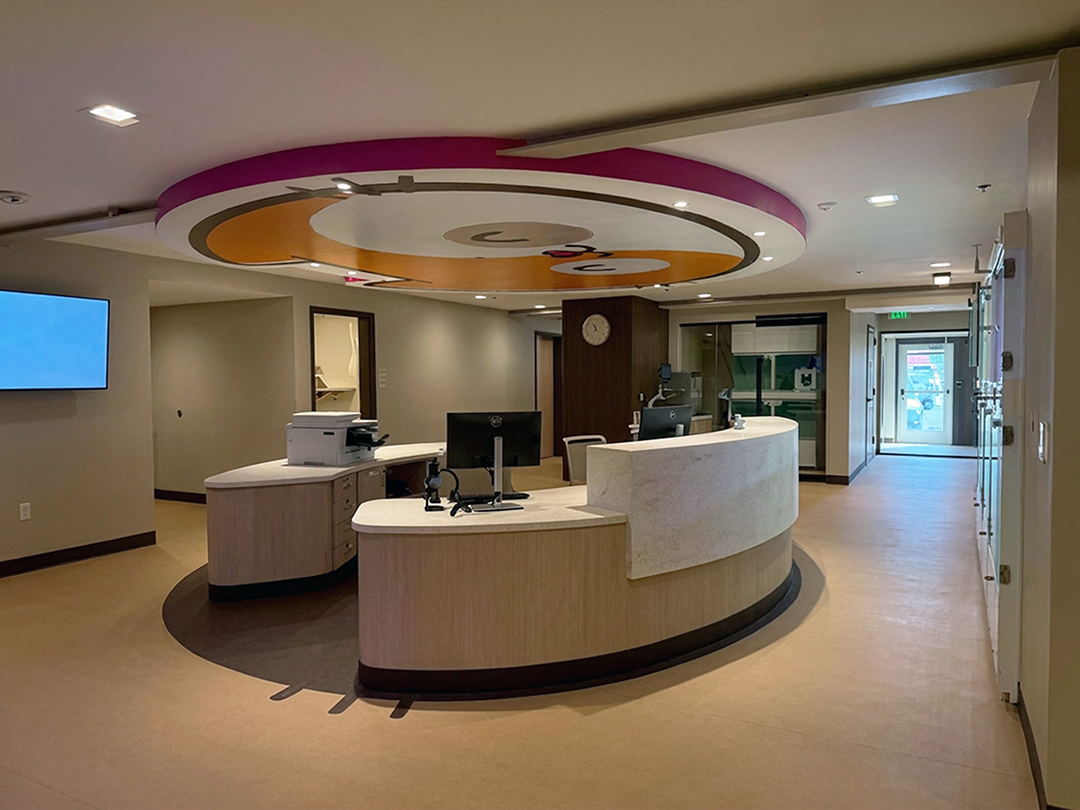
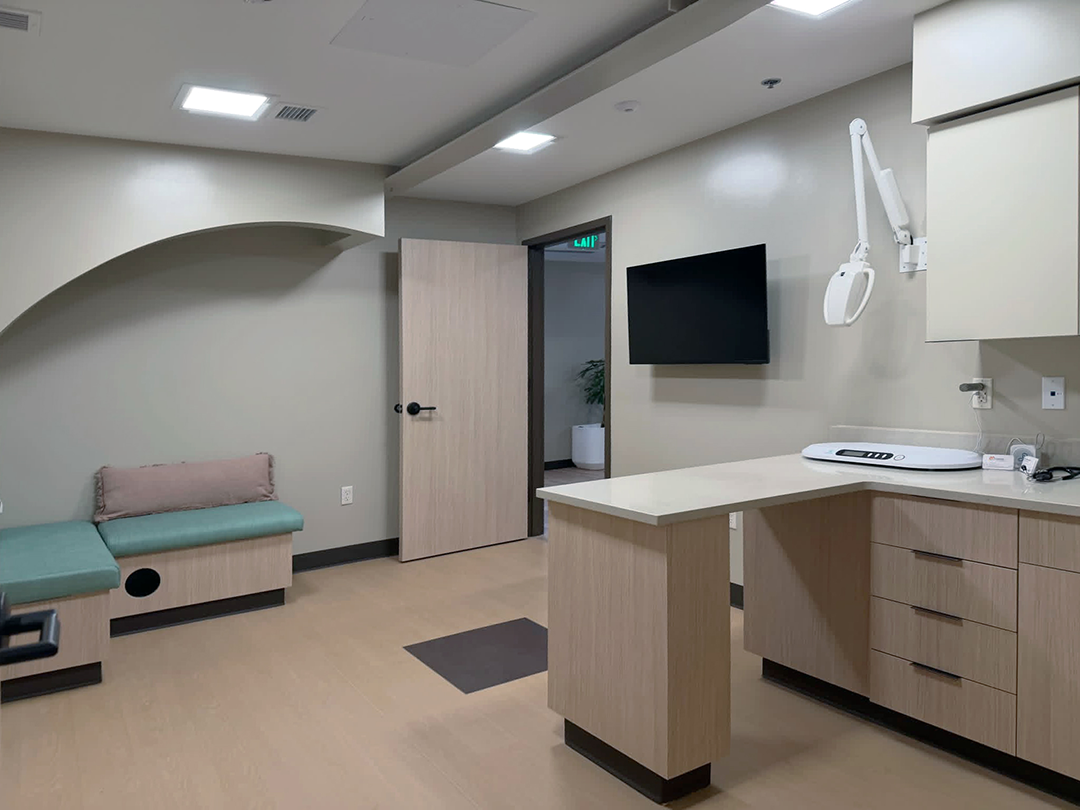
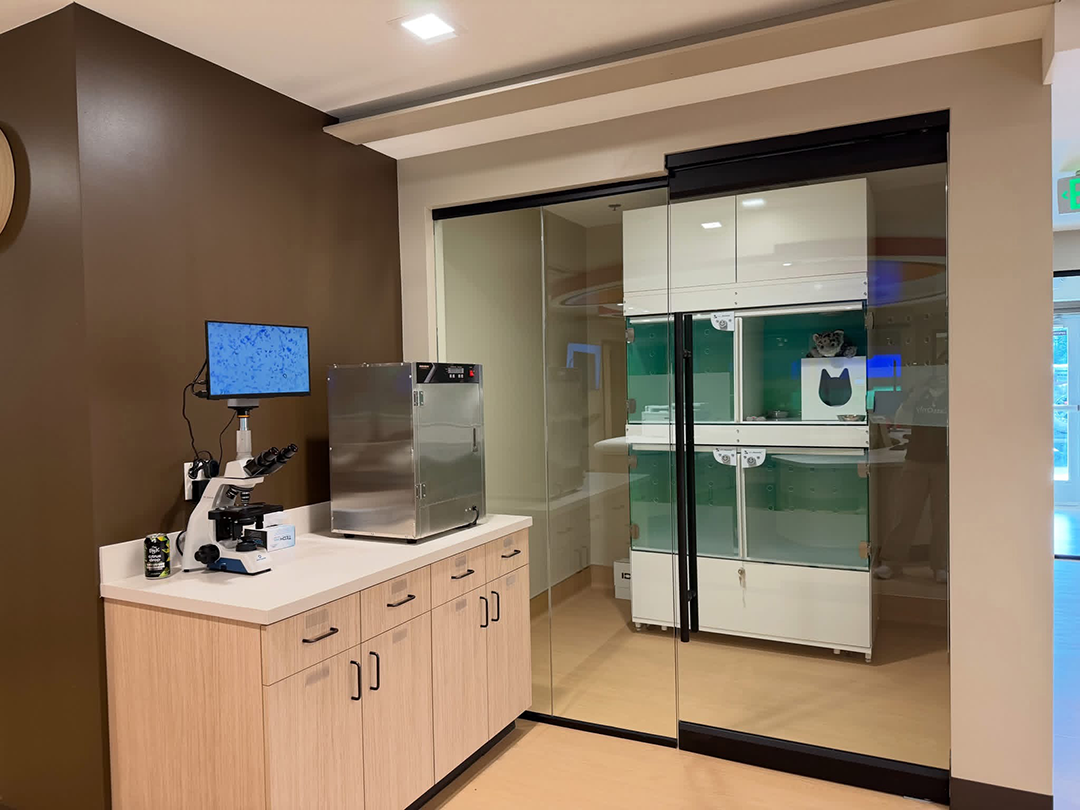
Dr. Jason Epstein believes that when an entire veterinary care model is built around cats, medicine changes in ways that go far beyond eliminating barking dogs or adapting the physical hospital environment.
“Focusing everything around one species allows emotional safety to become a medical variable rather than a comfort feature,” he said. “Fear and stress activate measurable physiologic pathways in cats, altering heart rate, blood pressure, glucose, immune function and pain perception. Left unmanaged, those changes distort diagnostic data and mask or mimic disease. So, reducing the threat load isn’t a hospitality decision. It’s part of how we protect diagnostic accuracy.”
Behavior also becomes clinical data. Changes in posture, grooming, appetite, litter box habits, and social engagement are documented and evaluated like bloodwork trends. “We treat them as clinical information. They’re often among the earliest indicators that something is changing medically.”
That philosophy influences everything he and his fellow team are building at CatsOnly, a feline-focused veterinary organization developing a scalable model of species-specific care, beginning with its first hospital in Colorado.
“We pace appointments differently, we allow the cat to determine where handling begins and we pause when stress begins to rise instead of pushing through,” said Dr. Epstein, who is CatsOnly’s chief veterinary officer and co-founder. “Every interaction is designed to preserve trust while gathering the information we need to make sound medical decisions.”
Ironically, Dr. Epstein said slowing down often allows the CatsOnly team to accomplish more. “We obtain better diagnostic information, complete more procedures successfully, and create experiences that make cats, and their people, more willing to return for future care.”
From idea to operation
The concept for CatsOnly grew from two realizations, said Kristin Wuhrman, chief marketing officer and co-founder, whose work has focused on both feline behavior and the consumer dynamics shaping how cat parents engage with veterinary care.
First, cats experience healthcare differently from other companion animals. While feline medicine has advanced significantly, the veterinary system remains largely designed around other species. CatsOnly aims to rethink the entire experience through the cat’s perspective, from hospital design and clinical protocols to communication and technology. But designing for the cat is only part of the equation. The system also has to work for the cat parent making decisions about when, where and how their cat receives care.
The second realization was the gap in feline healthcare. Although cats are the fastest-growing companion animal, only about one-third of household cats receive veterinary care each year. Cats account for roughly 25% of clinical visits, leaving millions without regular preventive care. The reasons extend beyond transportation and the veterinary environment. Cost, perceived value, uncertainty about when care is needed, previous veterinary experiences, communication and the way cat parents seek health information can all influence whether and when a cat enters the veterinary system.
CatsOnly was created to remove those barriers. Wuhrman said the goal is not simply to build feline-exclusive hospitals, but to create a scalable care model in which medicine, environment, communication, technology and a deeper understanding of cat parent behavior work together to improve access to and engagement with care.
The timing also reflects broader industry trends: growing cat ownership, changing expectations among younger pet owners, advances in feline medicine and the emergence of AI, remote communication and advanced diagnostics. “We’re seeing a broader shift toward designing healthcare around the needs of the patient,” Wuhrman said.
Wuhrman said the CatsOnly client visit begins for the cat parent and patient at home, well before they ever arrive at the hospital. They’ve designed what they’ve termed a “Care Journey” experience from carrier preparation and transportation to arrival, acclimation, examination, hospitalization, arrival back home, care at home, ongoing education and communication, follow-up and the next visit months or years later. Every step influences how a cat remembers veterinary care and how confident a cat parent feels returning.
Within that journey the CatsOnly team has intentionally designed dozens of what they call “CatsOnly Moments.” These are small, thoughtful and repeatable touchpoints that reduce uncertainty, lower stress and strengthen trust for both the cat and their caregiver. Some are eliminating environmental stressors. Others are operational efficiencies. Many are simply about how the team communicates with the client and handles the patient. Together, they create a consistent experience that can be trained, measured and replicated as CatsOnly grows.
“We recognize that the cat parent’s emotional state influences the cat’s experience, so education, empathy and partnership become clinical tools alongside medicine,” Wuhrman said. “Ultimately, we’re not just trying to create a memorable visit. We’re trying to build a relationship that makes preventive care feel approachable, trusted, and worth returning for throughout a cat’s lifetime.”
Instead of forcing cats into an exam, the team lets each patient choose where handling begins, whether in a carrier, on a cat parent’s lap, or on a perch. Restraint is never forced, handling stops when stress increases, and pre-visit anti-anxiety medications or sedation are used when appropriate.
Dr. Epstein said this approach benefits more than a cat’s emotional well-being. Fear can elevate glucose, blood pressure, heart rate, and inflammatory markers, potentially skewing test results. “Consent-based handling isn’t only more humane,” he said. “It produces more accurate medicine.”
Recognizing generational realities
Today’s cat parents are fundamentally different from previous generations, Wuhrman said, and understanding those changes is essential to designing a care model people will actually use.
Millennials have become the largest segment of cat owners nationally, and they’re more informed, more digitally connected, and more proactive about health than previous generations. CATalyst Council found Millennials now account for 38% of household cats nationally. In a recent survey, 91% of Millennials said they want what is best for their cat’s health and well-being.
Younger generations are also approaching care access differently: 63% of Gen Z cat parents do not have a traditional primary care veterinarian, compared with 45% of Baby Boomers. Many are seeking education before they seek treatment. They expect transparency, collaboration and personalized care rather than simply receiving recommendations.
“We’re also seeing a deeper recognition of the human-cat bond,” Epstein said. “Cats have always been beloved family members, but today’s caregivers are increasingly seeking healthcare experiences that reflect just how meaningful those relationships are.” Dr. Epstein noted that CATalyst Council’s 2026 research found 90% of cat owners describe a very strong emotional bond with their cat, and more than two-thirds say they would seek more veterinary care if they believed it would extend their cat’s life.
At the same time, many cat parents still find veterinary visits stressful, for themselves and their cats, which contributes to delayed care. “I believe the future belongs to practices that recognize those realities,” Dr. Epstein said. “When we reduce fear, communicate openly and intentionally design experiences that respect both the cat and the caregiver, we don’t just create happier visits. We help more cats receive the lifelong care they need.”
Individualized care
As feline ownership grows, preventive care is moving away from generic, dog-oriented wellness templates toward individualized, life-stage-specific protocols.
“Every cat we see has a personalized care plan based on age, lifestyle, temperament, genetics and risk factors,” Dr. Epstein said. The goal is increasingly to identify disease before obvious clinical signs appear, with greater emphasis on routine laboratory screening, blood pressure, body composition, nutrition, mobility and behavioral changes.
Nutrition has also become a central component of preventive care. Because cats have specific nutritional requirements, more practices are incorporating nutritional assessments into routine visits rather than treating them as an afterthought. Aging cats are also being evaluated more frequently. Dr. Epstein said comprehensive wellness exams every six months, beginning around age 7, can help clinicians detect subtle changes before they become apparent to cat parents.
Yet some common feline conditions remain easy to miss because cats instinctively hide illness. Dental disease, for example, can remain undetected without dental radiographs, which can reveal painful conditions such as tooth resorption even when a cat’s mouth appears normal. Osteoarthritis is similarly overlooked, with reduced jumping, increased sleeping, hesitation on stairs or changes in grooming often dismissed as normal aging.
Mental and emotional health is another important piece of preventive care. Feline idiopathic cystitis illustrates how stress and environmental factors can contribute to disease and recurrence. “Treating the bladder without addressing those contributing factors often means we’re only solving part of the problem,” Dr. Epstein said.
Education is therefore a critical part of prevention. Indoor cats still face significant risks for dental disease, kidney disease, arthritis, obesity, diabetes and hyperthyroidism, while cat parents may mistakenly believe veterinary visits are inherently stressful. In reality, carrier training, pre-visit protocols and species-specific environments can reduce anxiety and make care more accessible.
CATalyst Council data underscore the challenge: 61% of caregivers bringing cats in for non-routine care report veterinary-visit stress, compared with 47% of those seeking routine care. Meanwhile, 65% of veterinarians say they provide stress-reduction guidance, but only 30% of caregivers recall receiving carrier-related instructions.
CatsOnly views education as a partnership. Cat parents learn to recognize subtle changes in behavior, mobility, grooming and litter-box habits as potential health signals. They also receive practical guidance for making the journey to the veterinarian less stressful. The goal is to build feline health literacy so cat parents are better equipped to recognize changes earlier, understand the value of preventive care and participate meaningfully in decisions about their cat’s health.
“By empowering them to recognize these early indicators,” Wuhrman said, “they become crucial extensions of our diagnostic team.”
He also urges veterinarians and pet owners to view fear as communication, not bad behavior and to adjust their approach so cats feel safe during care.
Finally, Epstein warns against assuming cats are healthy until obvious symptoms appear. Because cats instinctively hide illness, subtle changes in grooming, appetite, sleep or behavior often provide the earliest clues that something is wrong.
Innovation and a better tomorrow
Looking ahead, Dr. Jason Epstein believes the biggest advances in feline medicine will come not from a single breakthrough but from the convergence of technology, behavioral science and more connected care. Artificial intelligence, he said, is poised to become an important clinical partner by helping veterinary teams identify subtle health trends earlier, streamline medical documentation and improve workflow efficiency.
“It will help identify subtle trends earlier, assist with medical documentation, improve workflow efficiency and allow veterinary teams to spend more time where they’re needed most, with patients and their families,” he said.
Dr. Epstein is equally encouraged by emerging research showing the direct connection between a cat’s emotional state and its physical health. As evidence continues to grow, he expects emotional well-being to become a core component of medical care rather than an added service.
He also envisions a future where the line between home and the veterinary hospital becomes increasingly seamless. Remote monitoring, wearable technology, telehealth and continuous communication will enable veterinarians to detect disease earlier and support cats throughout every stage of life.
Through all these advances, Dr. Epstein said the goal is not technology for its own sake but better care. “The real opportunity is creating healthcare that is more proactive, more continuous, more personalized and more compassionate.”
Ultimately, Wuhrman hopes the profession reaches a point where feline medicine is no longer viewed as a niche but is recognized as a distinct discipline with its own standards and best practices.
“Cats have become one of the most important companion animals to humans, yet for much of veterinary history we’ve asked them to fit into systems that were never truly designed around their needs,” she said. “I believe that is changing because our profession is starting to ask the tough questions about what exceptional feline care really looks like.”
Wuhrman said she would love to see emotional well-being viewed as an essential part of medical quality, hospital environments intentionally designed around feline behavior and sensory needs become standard practice, and more cat parents seeking preventive care because the experience feels welcoming instead of stressful.
“Most of all, I hope we help redefine the relationship cats and cat parents have with veterinary care,” she said. “When families leave a veterinary visit feeling heard, supported, and more deeply connected to their cat, we’ve done far more than deliver medicine. We’ve strengthened one of the most meaningful relationships in their lives. If CatsOnly can demonstrate what that looks like in a model that can scale, I think we can make a meaningful contribution to the future of feline healthcare.”
Photos courtesy of CatsOnly