


The Donor Heroes
Pets and their owners are stepping up to meet the need for lifesaving blood bank donations through a new program created by the Veterinary Emergency Group.
Pets need lifesaving blood donations for many of the same reasons people do – traumas/injuries, surgeries, and diseases. Examples include injuries caused by cars, trauma caused by gunshot wounds or heat stroke, anemia, immune-mediated disease, and various surgeries.
However, there are not a lot of commercial veterinary blood banks to meet the ever-growing demand for these lifesaving blood products, said Jessie Brown, blood bank director at Veterinary Emergency Group.
“Right now, it takes anywhere from 8 to 15 weeks to get one type of blood product from a commercial vendor as they all have a waitlist due to the increase in demand,” Brown said. If a pet needs a lifesaving transfusion there is nothing to replace blood products, so if a hospital does not have what they need, then that pet cannot be treated. Red blood cell products expire in anywhere from 28 to 35 days, so you constantly have to resupply these products. “At VEG we strive to be there for people and their pets when they need it the most, which means having blood products in our fridges and freezers.”

To help meet the demand for these lifesaving products, VEG announced the launch of its own volunteer blood banking program. VEG started its first canine blood donor program at VEG Falls Church in Virginia. The VEG Blood Bank program is currently available in the Washington, DC, and Boston areas, and will roll out nationally with Philadelphia and Tampa being the next two cities.
“With our hospitals across the nation, the goal is to have volunteer blood donor programs that collect whole blood from canine blood donor heroes and make these donations into blood components that we can ship out to our VEG hospitals,” Brown said. “We continue to open more canine donor programs throughout the VEGiverse with the goal to completely supply all of our hospitals’ canine blood needs with VEG Blood Donor Heroes. We hope by doing this, we can remove all VEG hospitals from the canine commercial vendor waiting list, freeing up blood products for the rest of the veterinary community as well as sharing blood products with other hospitals in emergency situations.”
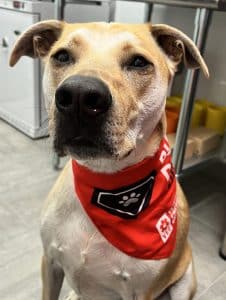
Answering the call
Brown said as of early October, there were a total of 22 “donor heroes” enrolled in VEG’s Volunteer Donor Programs, “which are growing every day.” These 22 donors had made 30 lifesaving blood donations. From these donations the VEG Blood Bank was able to make 95 different blood component products to send to some of the other VEG hospitals located
throughout the Virginia, DC, Maryland and Massachusetts areas. “That’s 95 possible lives saved by our 22 canine blood donor heroes! One donation from a hero can be made into several different blood components which means one donation can save multiple lives.”
There are a few requirements a dog needs to meet before coming in for blood donor screening. VEG is looking for dogs that are between 1 and 8 years of age, in good physical condition, up to date on vaccinations, flea and tick prevention as well as have no underlying medical conditions. VEG is asking that owners bring in information from their family veterinarian at the time of screening, showing recent vaccination and medical information. All bloodwork and donation information is shared with the family veterinarian, ensuring they are a part of the process as well.
Once owners find out about the volunteer program, they are eager to learn more and see if their pet can be a hero, Brown said. “Most owners do not realize their canine best friend could possibly be a blood donor hero or that their beloved pet may even need a transfusion until they are in an emergency situation, so getting the word out about the program really helps to bring awareness.”
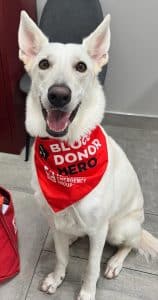
The biggest question VEG gets asked about blood donations in pets is if it is safe for their pet to be a blood donor hero. “At VEG we put donor safety first and strive to make the donation experience a positive and enjoyable one,” Brown said. “We keep people and their pets together, so owners are welcome to be present during the process so they can ensure their pet is comfortable. We also thoroughly screen our heroes, at no cost to the owner, prior to entrance into the program to ensure they are healthy enough to be a blood donor hero and have no underlying diseases.”
At the time of donation, the pets receive a free physical examination by a VEG doctor and a complete blood count is performed to ensure they are ready to make a lifesaving donation. If a pet donor ever expresses any discomfort during the donation, the process is stopped immediately. “After the donation, we shower our heroes with treats, love and goodies to tell them thank you,” Brown said. “Our volunteer heroes help us save pets all over the nation so we make sure to celebrate them at every donation!”
Editor’s note: If you are interested in having your canine best friend be a blood donor hero, please reach out to bloodbank@veg.vet.