


Equine Dermatology in Focus
Horses are subject to numerous skin conditions. These issues are an increasing concern because climate variability, longer insect seasons, and increased travel contribute to more frequent and often more complex cases. This article explores common equine dermatologic conditions, explains potential treatment options and outlines how distributor representatives can partner with veterinary teams to support effective care and long-term skin health.
Common equine dermatologic conditions
A horse’s skin can be affected by a wide range of issues, from allergic reactions to infectious diseases and malignant tumors. The following are some of the most common equine dermatologic conditions, grouped into key categories for easier understanding.
Dermatitis
Dermatitis, or skin inflammation, typically causes signs such as itching, redness, swelling, hair loss, scabs and crusting. Dermatitis has many possible causes, and identifying the underlying trigger is necessary for effective treatment and management.
Pastern dermatitis
Also known as scratches, greasy heel, or mud fever, pastern dermatitis is an inflammatory skin condition affecting the lower limbs, especially the pasterns and heels. Prolonged moisture exposure, muddy conditions, and compromised skin integrity contribute to the condition, and horses with heavy feathering and those kept in wet, unsanitary conditions are at increased risk.
Treatment involves cleaning the area with an antiseptic cleanser, such as chlorhexidine or povidone-iodine shampoo, followed by thorough drying. Clipping the hair often improves treatment efficacy, and veterinarians often recommend antimicrobial medications, such as silver sulfadiazine and mupirocin. Severe or persistent cases may benefit from systemic antibiotics or anti-inflammatory medications. Management changes, such as minimizing prolonged exposure to moisture and maintaining good hygiene, are important for preventing recurrence.
Rain rot
Equine rain rot is a bacterial skin infection caused by Dermatophilus congolensis. The condition is common in wet, humid conditions, when prolonged exposure to moisture compromises the skin barrier, allowing bacteria to invade. Signs typically include crusty scabs along the topline, neck and rump, which may clump hair into “paintbrush” lesions.
Treatment focuses on removing scabs, cleaning the underlying skin, and keeping the skin dry. Veterinarians usually prescribe antimicrobial shampoos containing chlorhexidine or povidone-iodine, along with topical sprays or ointments containing benzoyl peroxide or silver-based compounds. Limiting exposure to wet conditions, using waterproof blankets when necessary, and ensuring proper grooming and hygiene are important for treating and preventing equine rain rot.
Allergic conditions
Horses can be allergic to ingredients in their food, medications, vaccinations and environmental substances, resulting in skin problems.
Hives
Hives are a common manifestation of allergies in horses. The raised, soft swellings can appear suddenly anywhere on the body. They can be triggered by insect bites, environmental allergens, medications, vaccines, feed-related sensitivities, detergents or riding equipment made from certain materials.
The underlying trigger should be identified and, if possible, removed. Common treatments include antihistamines and corticosteroids to reduce inflammation and the allergic response. Topical products, such as oatmeal-based shampoos and anti-itch sprays, may also help calm the skin. In addition, insect control products, such as fly sprays, masks and sheets, can minimize exposure to potential triggers.
Sweet itch
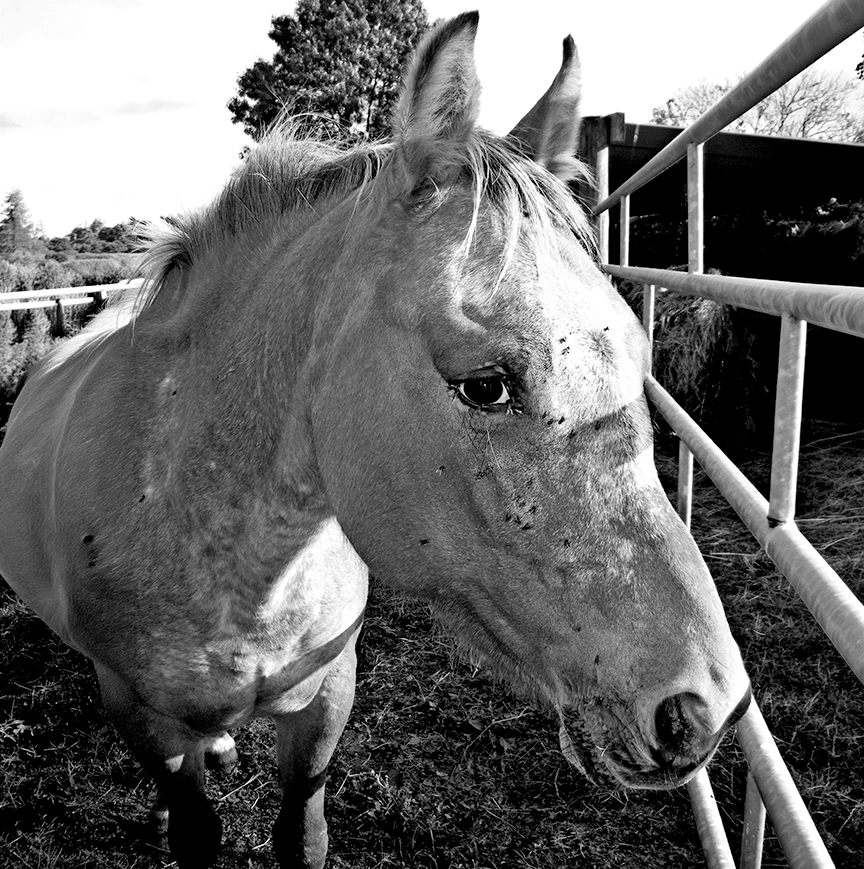
Sweet itch is a hypersensitivity to insect bites, particularly from Culicoides midges. Affected horses experience severe itching, especially along the mane, tail and topline, leading to hair loss, skin thickening and secondary infections from self-trauma. The condition typically worsens in warmer months when insect activity is highest.
Management involves minimizing insect exposure and controlling the allergic response. Fly repellents containing pyrethrins or permethrin are key, along with physical barriers such as fly sheets, masks, and neck covers. In moderate or severe cases, systemic antihistamines or corticosteroids may be necessary, and some horses benefit from allergy testing and immunotherapy.
Skin tumors
Skin tumors in horses may be benign or malignant, but benign lesions can still create clinical challenges due to local invasion and progressive tissue disruption.
Sarcoids
Sarcoids are the most frequently diagnosed skin tumors in horses and are associated with infection by bovine papillomavirus. These tumors can appear in many forms, including small, wart-like growths, nodular lesions and large, ulcerated masses. They are commonly found on the head, neck, limbs and abdominal region, as well as in sites of previous injury. Sarcoids are usually non-metastatic, but they can be locally aggressive, prone to recurrence and worsen if traumatized or improperly treated.
Treatment depends on the sarcoid’s type, size and location, and may require a multi-modal approach. Options include topical treatments (e.g., imiquimod cream), surgical removal, radiotherapy, chemotherapy (e.g., cisplatin) and immunotherapy. Recurrence after treatment is common.
Squamous cell carcinoma
Squamous cell carcinoma (SCC), which originates from epithelial cells of the skin and mucous membranes, is the second most frequently diagnosed skin tumor in horses. SCC can develop anywhere but is most commonly found in areas with limited pigmentation or sparse hair coverage, such as the external genitalia and lips, and around the eyes. Chronic sun exposure is a significant risk factor, and lesions often appear as small, irregular masses or non-healing ulcers. These tumors can become locally invasive if they are not addressed early.
Treatment depends on the tumor’s size and location. Common approaches include surgical excision, cryotherapy, laser ablation, radiation therapy, and intralesional or topical chemotherapy.
Melanoma
Melanomas are most commonly found in older gray horses, but can be found in horses of any color. Common locations include under the tail, around the anus, in the genital region, at the throatlatch, and on the lips and eyelids. Most equine melanomas are slow-growing and benign, but some can become locally invasive or, in rare cases, metastasize. Lesions usually appear as firm, black nodules or masses and can interfere with normal function depending on their size and location.
When possible, surgical excision with wide margins is the best treatment option for equine melanoma, but removing a lesion from one site does not prevent tumor development in other areas. When the melanoma is too large or in an area that prevents surgical excision, other treatment options include intralesional chemotherapy, radiation therapy, and immunotherapy.
Infectious skin conditions
Exposure to certain infectious agents can lead to dermatologic disease in horses.
Warts
Warts are benign skin growths caused by the equine papillomavirus. Young horses are most commonly affected by these small, irregular, cauliflower-like lesions that typically appear on the muzzle, lips, eyelids and genitalia. Warts are usually harmless and resolve without treatment, but they can be a cosmetic concern or interfere with tack depending on their location and severity. The condition is contagious, so affected horses should be isolated to prevent the spread of disease.
Warts usually resolve within one to nine months, so no treatment is necessary in most cases. For persistent or irritating warts, treatment options may include surgical removal, cryotherapy or topical antiviral creams.
Aural plaques
Aural plaques are also caused by the equine papillomavirus. They are white or gray, thickened patches found on the inner surface of the ear. While aural plaques aren’t typically a problem, they can become irritated, especially if flies aggravate them, leading to ear sensitivity and head shyness.
Unlike equine warts, aural plaques usually don’t spontaneously resolve, but they don’t require treatment unless the lesions become inflamed. In these cases, cryotherapy can be used to remove them. Veterinarians have also used imiquimod to treat aural plaques, but this often causes irritation
to healthy tissue. Fly control, including repellents and physical barriers, is important for reducing irritation and disease spread.
Ringworm
Ringworm is a fungal infection caused by organisms such as Trichophyton equinum and Trichophyton mentagrophytes. The condition most commonly affects young or immunocompromised horses and can be transmitted through direct contact or via contaminated equipment such as tack, grooming tools and blankets. Lesions typically appear as circular areas of hair loss with scaling, crusting and broken hairs. Ringworm is usually not itchy or painful, but the infection can spread quickly in barns and can also infect humans.
Ringworm can resolve on its own, but treatment speeds recovery and reduces the risk of transmission. Veterinarians typically prescribe topical antifungal treatments, such as lime sulfur dips and antifungal shampoos. Environmental decontamination is also important, including disinfecting tack, stalls, and equipment using antifungal or bleach solutions to help prevent reinfection and disease spread.
Effective management
Equine dermatologic conditions can be complex and often require a multifaceted approach to achieve the best results. Veterinarians must make accurate diagnoses, provide targeted treatment strategies and communicate consistently with clients to effectively manage these cases.
Strong partnerships with knowledgeable distributor representatives can enhance this process, providing access to the right products, education, and support. This collaborative approach helps ensure better care for horses while supporting the veterinary practice’s long-term success.
Distributor representatives can help veterinarians by offering educational opportunities and proactive support. Here are some key ways to strengthen these partnerships:
- Learn the types of cases the practice sees most often and tailor recommendations to the specific patient population and workflow.
- Share best practices for inventory management and product utilization.
- Provide client-friendly educational materials about skin conditions and products that the practice can share with horse owners.
- Support seasonal campaigns (e.g., fly control, allergy management).
- Follow up on product performance and outcomes and share this feedback with manufacturers.
- Provide in-clinic training for staff on product use and protocols.
- Ensure consistent product availability.